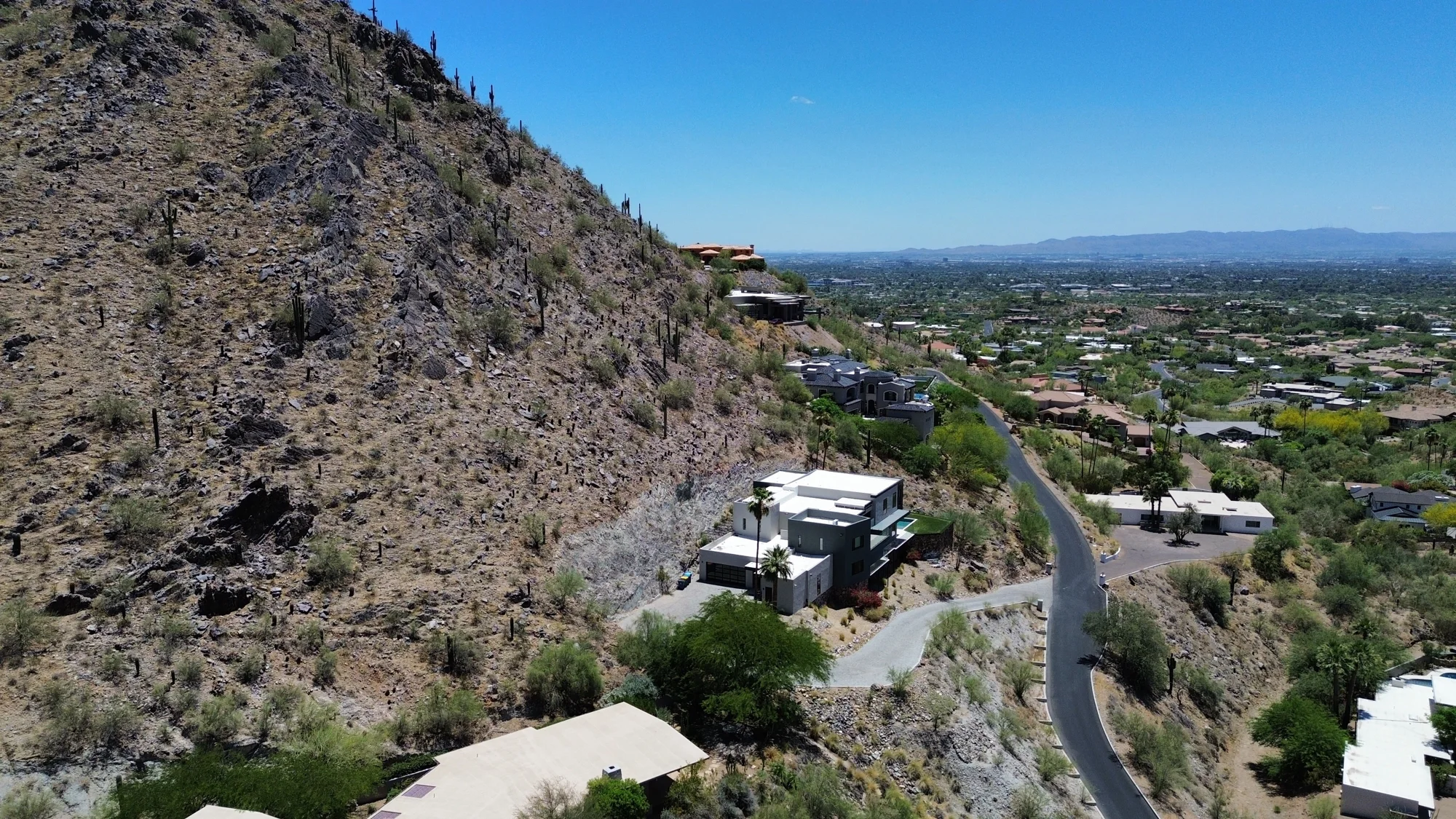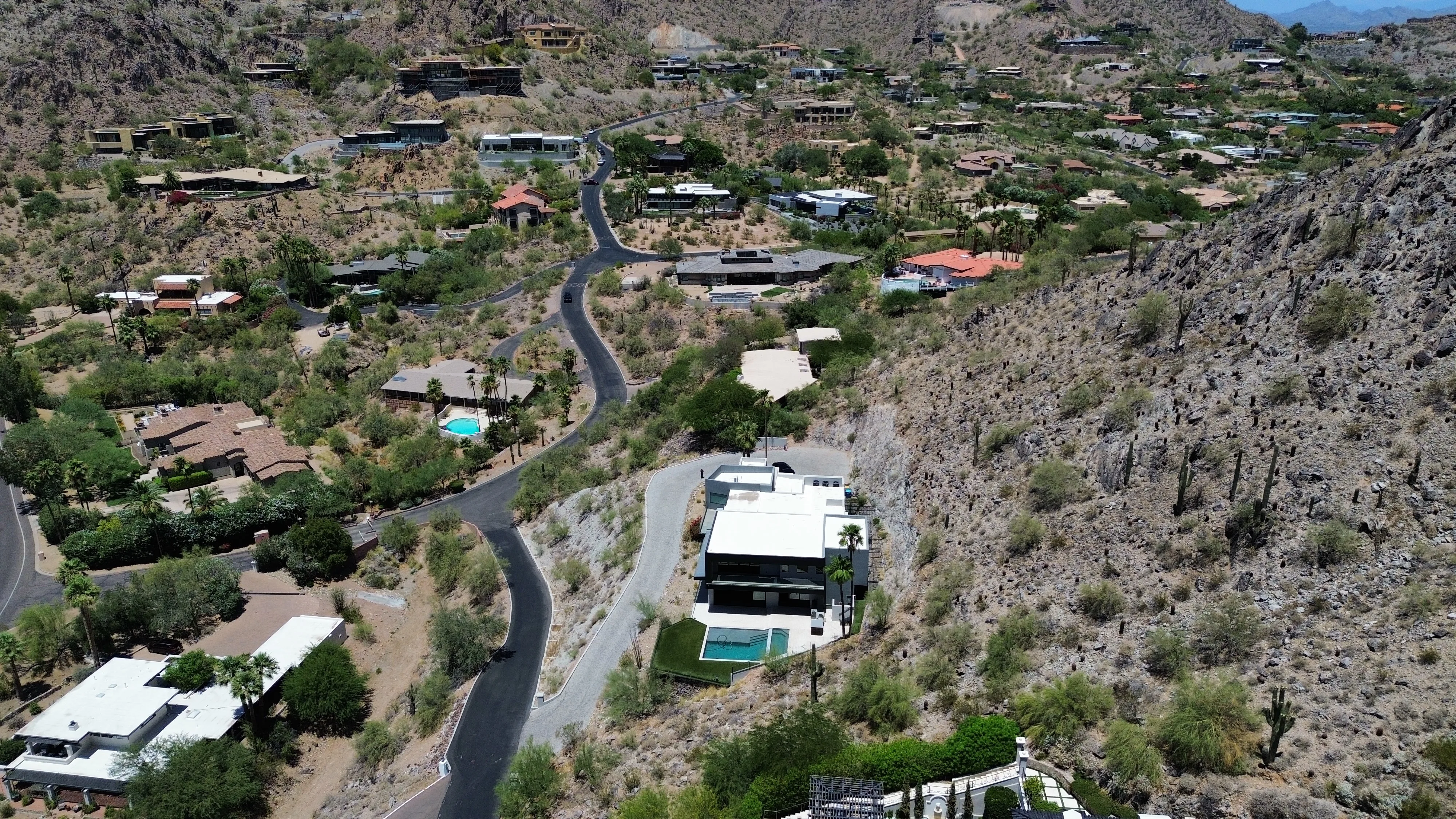
Luxury homes in the Valley generally get built in roughly the right shape. Great architects draw great homes, capable framers stand up walls that are square and plumb, and reputable builders close in the envelope on schedule.
Where projects part ways from one another is not the shell. It is the finishes, and specifically the order in which those finishes are chosen, specified, and communicated to the trades who install them. When the sequence is right, construction runs and the family watches the vision take shape. When the sequence is wrong, construction becomes a rolling series of interruptions and small compromises that reshape the home.
This guide walks through what a finish selection is, why the timing matters more than most families are told, and how Provision Design Build structures pre-construction so that the schedule protects the design rather than eroding it.
Why Pre-Construction Is The Phase That Decides Everything
On a luxury home in Arizona, pre-construction is not a formality that happens between contract signing and the first foundation pour. It is the phase where the finished home is designed, and the phase that determines whether the build feels calm or chaotic.
A well-run pre-construction period produces three things:
- A complete set of documented finish selections, from cabinetry to hardware
- A construction schedule sequenced around the trades who need answers first
- A budget that reflects real selections rather than allowances that inflate later
When those three deliverables are in place before framing, the rest of the build is largely execution. When any one of them is missing, the field becomes the place where the design is still being made, and that is always the more expensive option.
What A Finish Selection Includes
On a luxury home, our team typically tracks between six hundred and twelve hundred discrete decisions from schematic design through move-in. The list is longer than most families expect.
Common categories include:
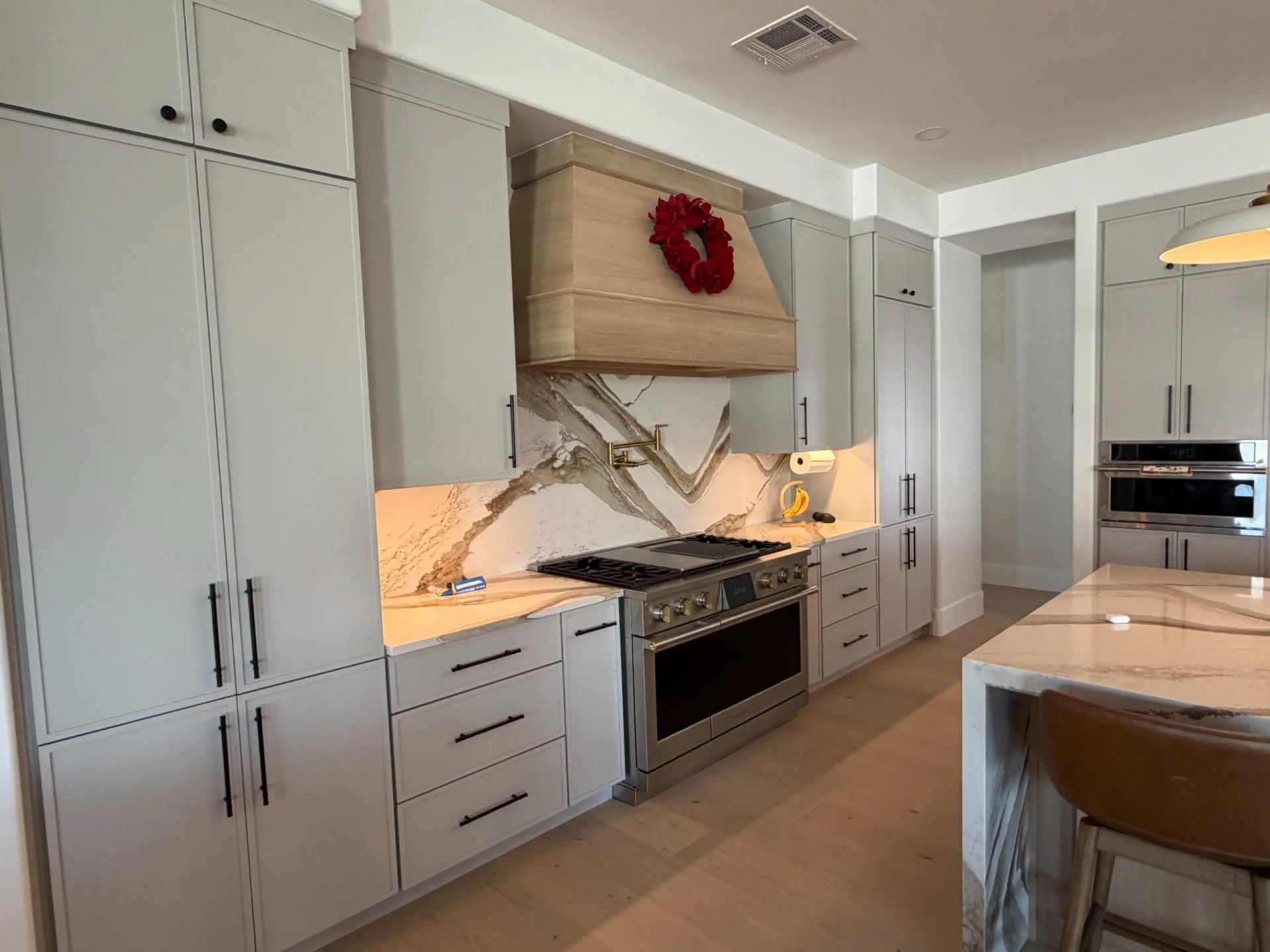
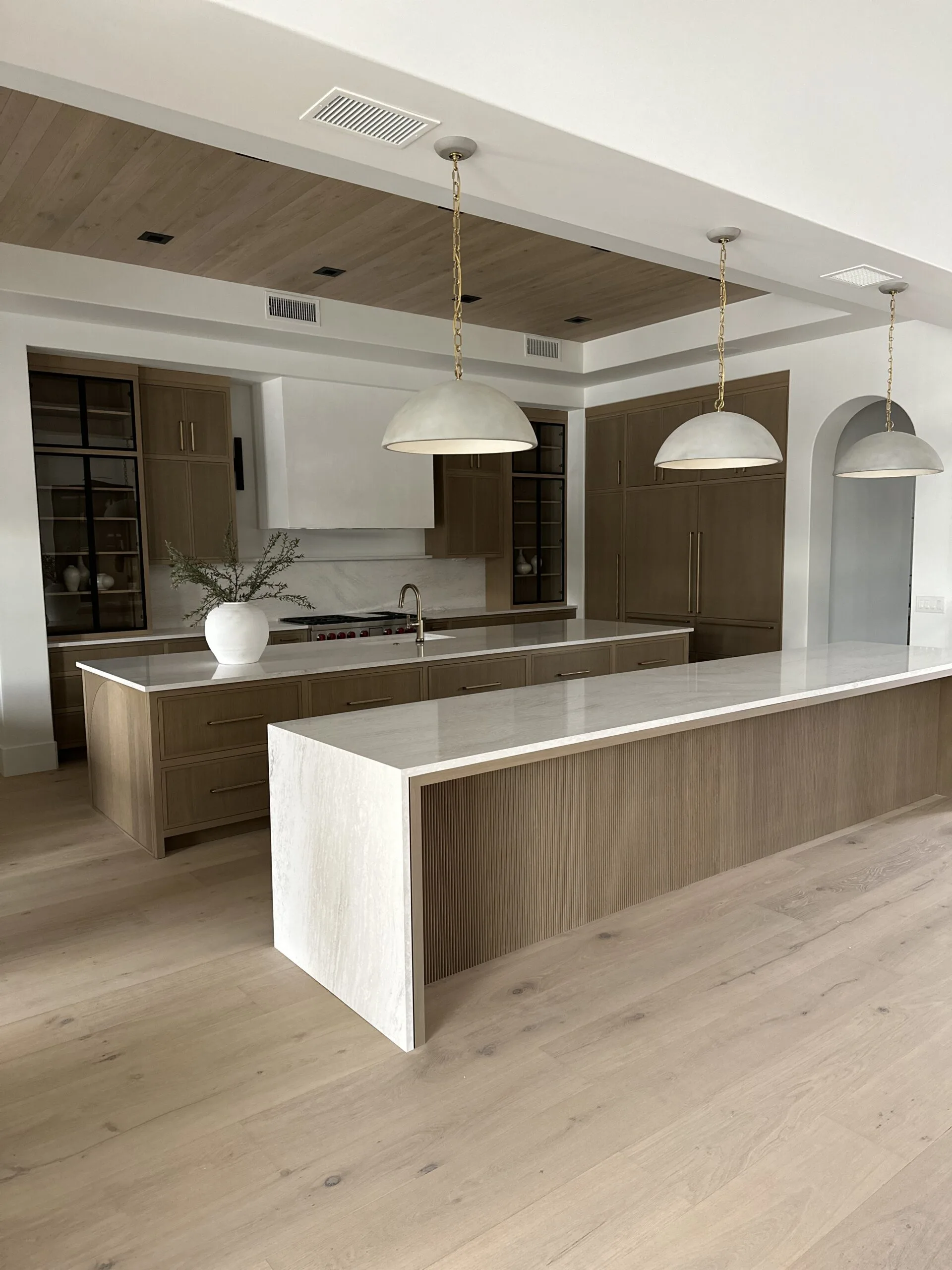
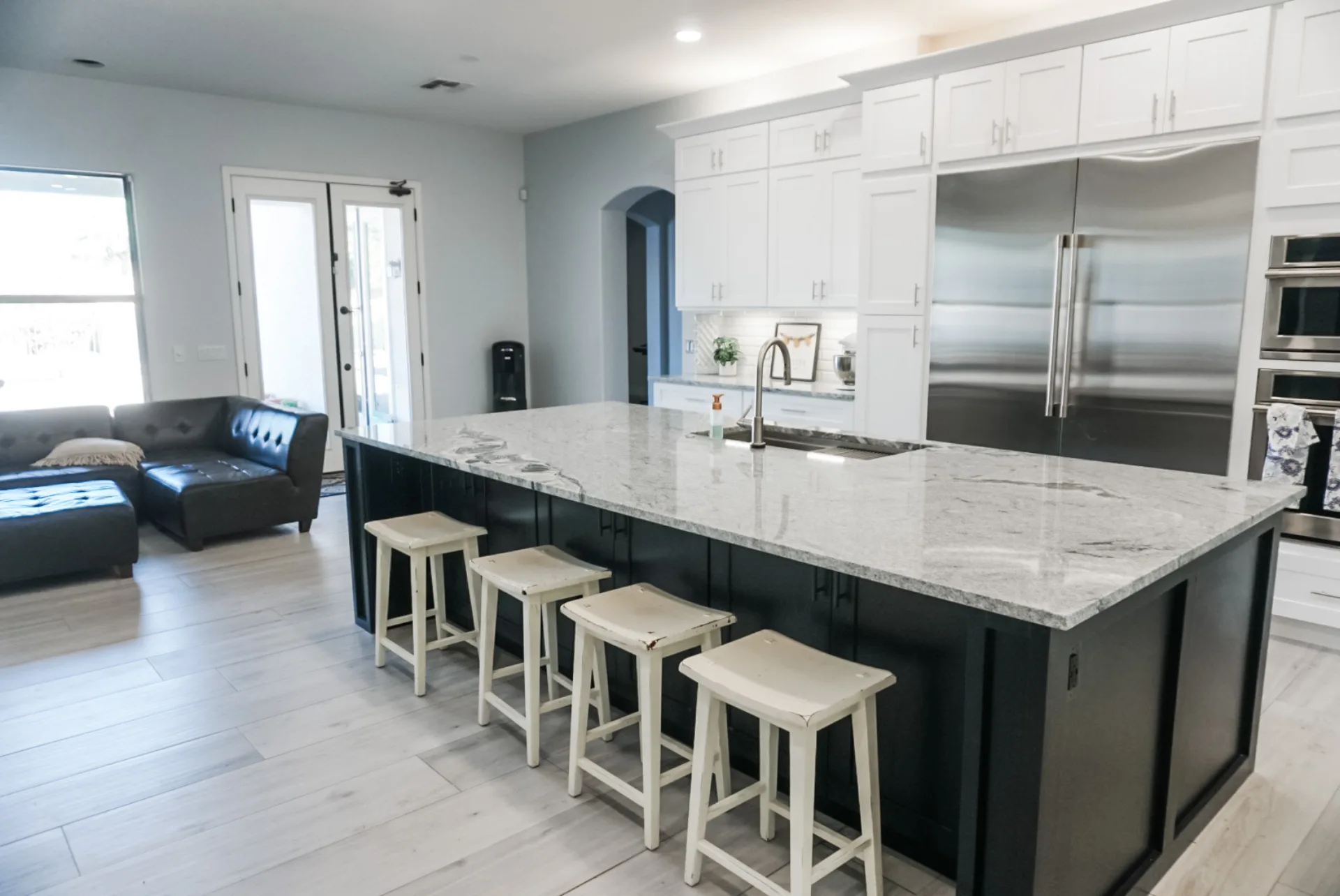
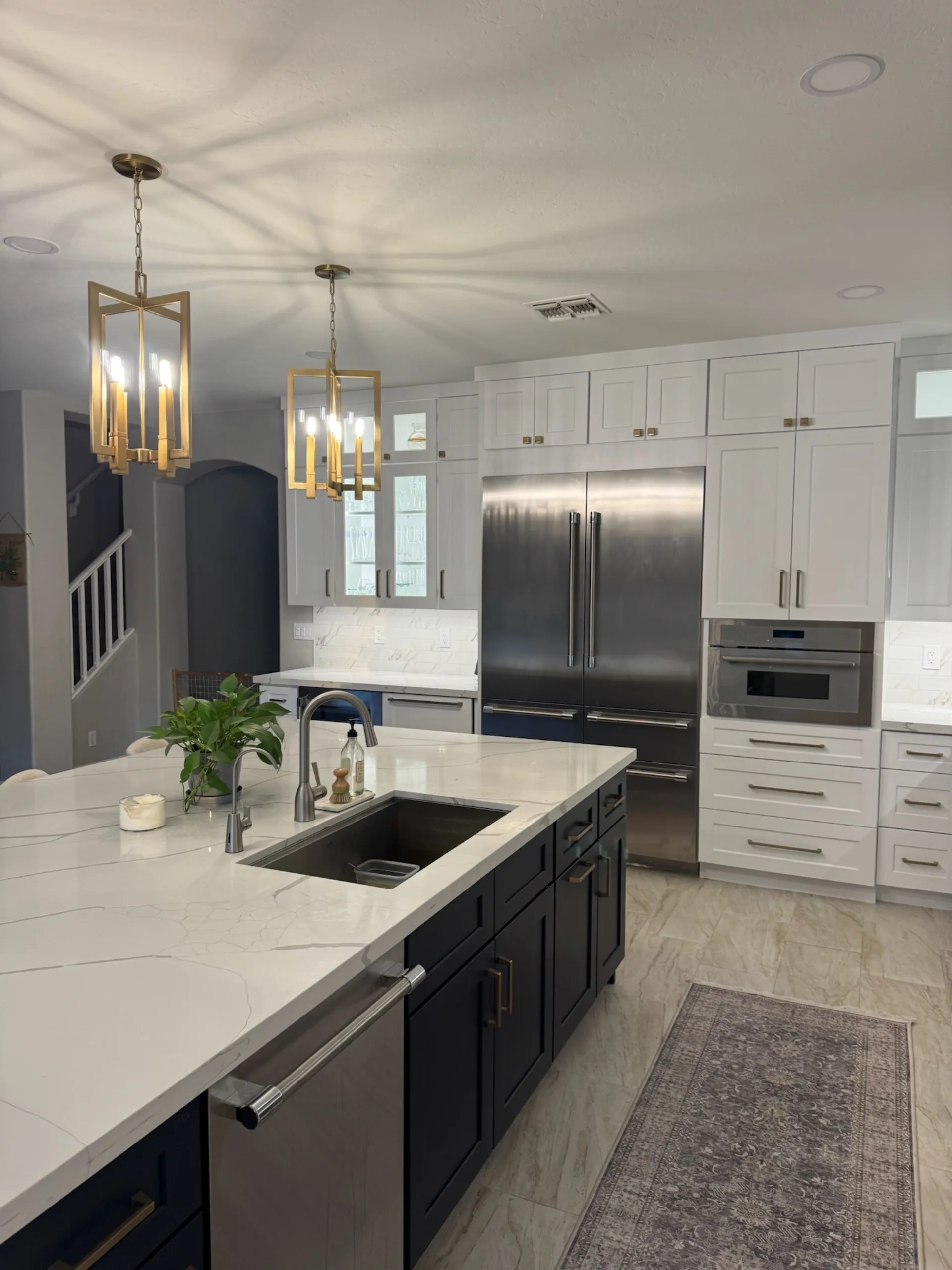
- Cabinetry: construction, door style, wood species, finish, and hardware
- Flooring: species, plank width, stain, finish sheen, and transitions
- Tile and stone: format, pattern, grout, edge profiles, slab seam placement
- Lighting: fixtures, mounting heights, and the dimming protocol they run on
- Plumbing: fixtures and every rough-in dimension the fixture depends on
- Paint: palettes, sheens, and how they change room to room
- Doors, hardware, and appliances in every finish and function
None of these live in isolation. A quarter-inch change in countertop thickness reshapes cabinetry heights, backsplash cuts, and outlet placement. A different showerhead requires a different valve, which the plumber has to know about before drywall closes over the wall. Selections work is the discipline of tracking those dependencies and resolving them in the order the house needs them.
How Construction Sequence Depends On Selections
Every trade on site is making field decisions that are only correct if they know what is going in on top of their work.
A few examples we see constantly:
- A framer who does not know the sconce locations cannot install proper blocking
- A plumber who does not know the showerhead cannot rough in the right valve at the right height
- An electrician who does not know pendant versus recessed is guessing at junction boxes
- A tile setter who does not have the final grout cannot start the primary bathroom
When the specification is still open at the moment the trade needs it, one of two things happens. The trade waits, which costs the schedule. Or the trade guesses, which costs the finished product. An integrated custom home team plans the schedule backward from those handoffs rather than forward from the finishes the family is most excited about.
The Lead-Time Problem Nobody Talks About Early Enough
The luxury lighting fixture you fell in love with at the showroom is sixteen weeks out. The book-matched slab you selected is sitting in a warehouse in Verona and needs to be shipped, crated, and delivered before it can be fabricated.
Typical lead times we plan around on Provision projects:
- Custom cabinetry: 14 to 22 weeks from final drawings
- Imported stone slabs: 8 to 16 weeks including fabrication
- Designer lighting packages: 12 to 20 weeks for the full spec
- Custom range hoods and specialty appliances: up to 6 months
- Interior doors and hardware in premium finishes: 10 to 14 weeks
None of these lead times are unusual at this level. They are the norm. What breaks a project is not the lead time itself, it is discovering it at the wrong moment. Made in pre-construction, the lead time becomes a scheduling input. Made mid-build, it becomes a delay measured in months or a substitution the family never wanted.
Why Mid-Construction Decisions Are Almost Always Rushed
Anyone who has lived through a luxury build knows the feeling of a decision made under real-time construction pressure. The tile setter is already on site, the consultant is joining by speakerphone, and the family has less than an hour before their next meeting to choose between two grout colors they have never seen in the actual room under the actual light. Whatever answer gets given in that window becomes permanent, and it usually gets given for the wrong reasons.
That same decision, when it is made two months earlier during a proper pre-construction phase, is a completely different experience. The samples come home in a curated set of three rather than an overwhelming set of thirty. The family lives with them for several days in the actual bathroom, sees them in morning light and again at night, checks them against the flooring and the wall paint, and arrives at a choice they feel good about. The room is the same room and the budget is the same budget, but the process that produced the decision is entirely different, and so is the way the family will feel about the finish ten years later.
The distinction matters because homes are remembered not by how they were built, but by how they were decided. Rushed decisions accumulate, and by move-in the family can usually point to a dozen small choices they would have made differently if they had been given the time. Deliberate decisions accumulate in the opposite direction and produce a home that keeps rewarding the family years after the last trade has left the site.
Why Selections Work Is Harder Than Families Expect
The volume of decisions is enormous, most of them feel small in isolation, and each one affects two or three others in ways that are not obvious until you have run the process a few times.
What we watch happen on homes without a dedicated design lead is a version of decision fatigue. The family is enthusiastic through decision seventy or eighty. Around decision two hundred, they start saying yes to whatever is in front of them because they cannot see the finish line. That is the moment the home stops being designed and starts being assembled.
This is the problem a full-service interior designer is built to solve. The role is not to pick prettier finishes than the family would have on their own. The role is to:
- Narrow the field intelligently before the family sees it
- Sequence decisions in the order the house needs them
- Hold the overarching vision across hundreds of small choices
- Protect the budget while the rest of the team keeps moving
Done well, selections feel like a series of considered conversations rather than an eight-month gauntlet.
What A Proper Pre-Construction Selections Phase Looks Like
On a ground-up Arizona custom home, we plan for two to four months of dedicated selections work. On a full home renovation, six to ten weeks.
By the end of that phase, we hand the field team:
- A complete selections binder organized room by room
- A finish schedule that reads elevation by elevation
- A specification set detailed enough that no trade needs to guess
- Signed reservations on long-lead items so the schedule holds
That deliverable set is a big part of what the Provision process is built around. It is also one of the practical reasons an integrated design-build approach outperforms a bid-build one at this level. Our design and construction teams sit in the same room, work from the same drawings, and hand off from selection to installation without documents changing hands between separate firms.
The Three Seats That Have To Be Filled Before Anyone Breaks Ground
On a home at this budget, three roles need to be occupied and coordinated from the earliest phase of design:
- The architect owns the envelope, the massing, and the structural intent
- The builder owns construction sequence, budget, and trade coordination
- The interior designer owns everything the family will touch and see day to day
When any one of these seats is missing during pre-construction, the other two end up making decisions outside their expertise, and it shows in the finished work. The most common gap on projects that come to us for rescue is the interior designer being added late, after cabinetry has already been ordered. From that point forward, the interior work becomes a series of catches and workarounds rather than a coordinated design. Our interior design process is engineered specifically to keep that from happening.
What Makes Arizona Projects Different
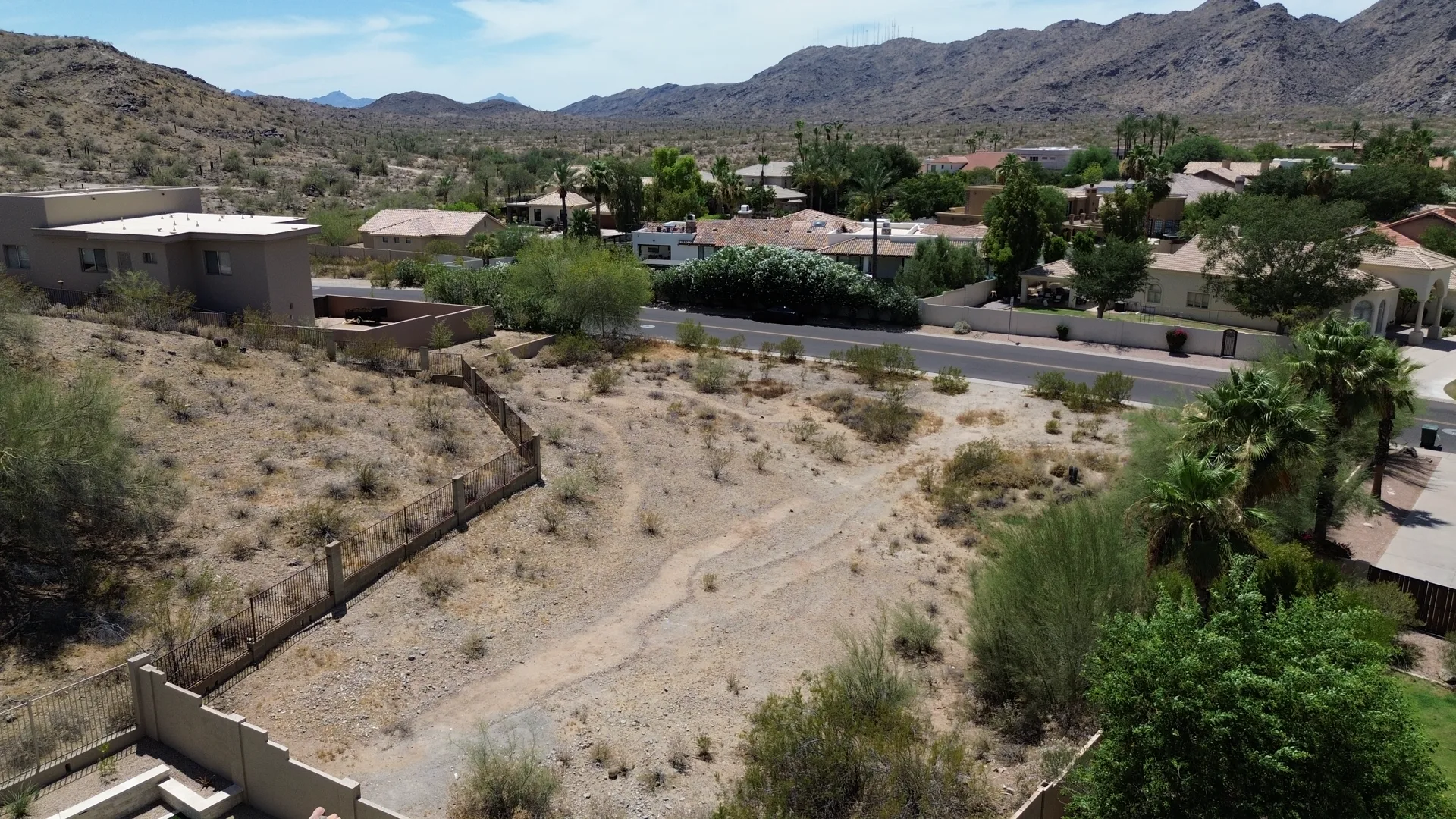
Arizona construction has a few characteristics that make pre-construction selections even more consequential than they are in other markets:
- The climate drives real material decisions on windows, exterior finishes, and outdoor living surfaces that affect framing and mechanical sizing
- Valley stone yards carry extraordinary inventory, but the slabs that catch a family's eye today are often sold within a week
- Monsoon and summer heat compress the window for certain exterior trades, which raises the cost of any schedule slip
- Municipal permit timelines vary meaningfully across Chandler, Gilbert, Scottsdale, and Paradise Valley, which affects when selections have to be finalized
Across our recent projects in Chandler, Gilbert, Paradise Valley, and Scottsdale, the homes that ran through construction shared one characteristic. Every primary selection was locked before we broke ground. The projects that ran hot were the ones where selections were allowed to drift into the field.
What Poor Sequencing Costs
The financial impact of poorly sequenced selections is usually two to five percent of total project cost. On a luxury home in the Valley, that lands somewhere between forty thousand and two hundred and fifty thousand dollars in avoidable spend.
The most common line items:
- Change orders driven by rough-in mistakes
- Expedited shipping on items that should have been ordered months earlier
- Rework where a trade guessed and the design intent required something else
- Substitutions that reduce quality because the first choice is no longer available
The schedule impact is typically four to twelve weeks of added construction time. The impact that never shows up on an accounting is the fatigue on the family, and that one is the hardest to recover from because it shapes how they remember the entire project.
How Provision Runs Pre-Construction Differently
Every Provision project moves through the same disciplined pre-construction sequence, regardless of scope:
- Vision alignment. Design, construction, and interior design meet with the family to agree on the finished home before drawings advance.
- Selections calendar. A week-by-week schedule of decisions built backward from the trades that need answers first.
- Curated selection sessions. Options are narrowed in advance so the family reviews the right three, not the exhausting thirty.
- Documented specification set. Every choice becomes part of a binder, finish schedule, and drawing set the field team executes from.
- Locked long-lead orders. Cabinetry, stone, lighting, and specialty items are reserved before framing begins.
This is the phase most families do not fully understand until they have lived through a build without it. It is also the phase that determines how the rest of the project feels.
The Bottom Line
Finish selections happen during pre-construction or they happen during construction. There is no third option.
Families who make them early get a better home for less money on a shorter timeline, and they finish the project still enjoying the process. Families who make them in the field end up with a home that is close to what they wanted, over budget by a meaningful percentage, and behind schedule by a season.
The difference is not talent, taste, or effort. It is discipline applied at the right moment, and that discipline is exactly what an integrated design-build team with a full interior design practice is built to provide.
If you are early in planning a project and want to understand how this would apply to your home, our team is happy to walk you through it. Provision Design Build serves luxury residential clients across Chandler, Gilbert, Mesa, Tempe, Scottsdale, Paradise Valley, and Phoenix, and every home we take on runs through the same pre-construction phase for the same reason.