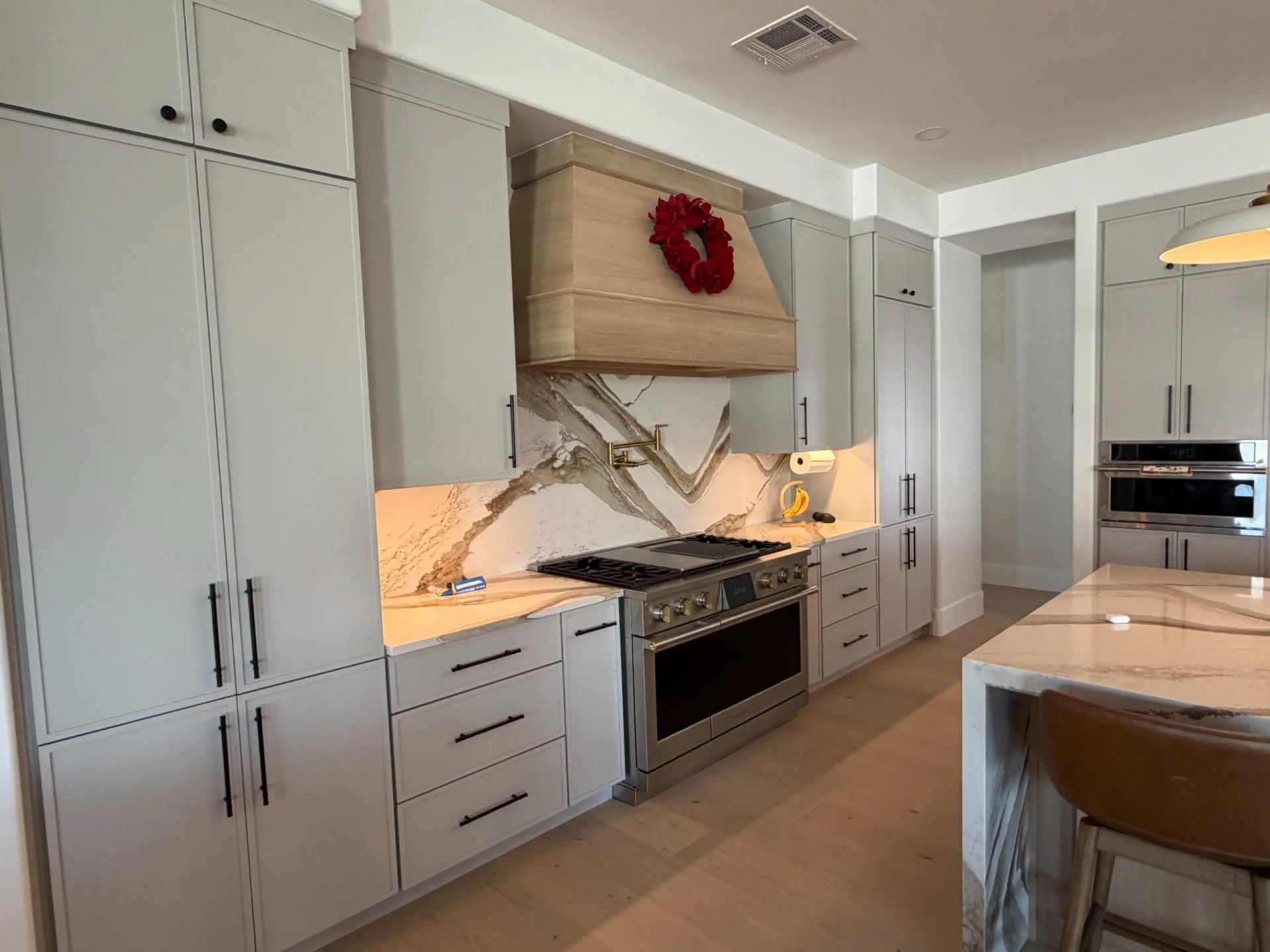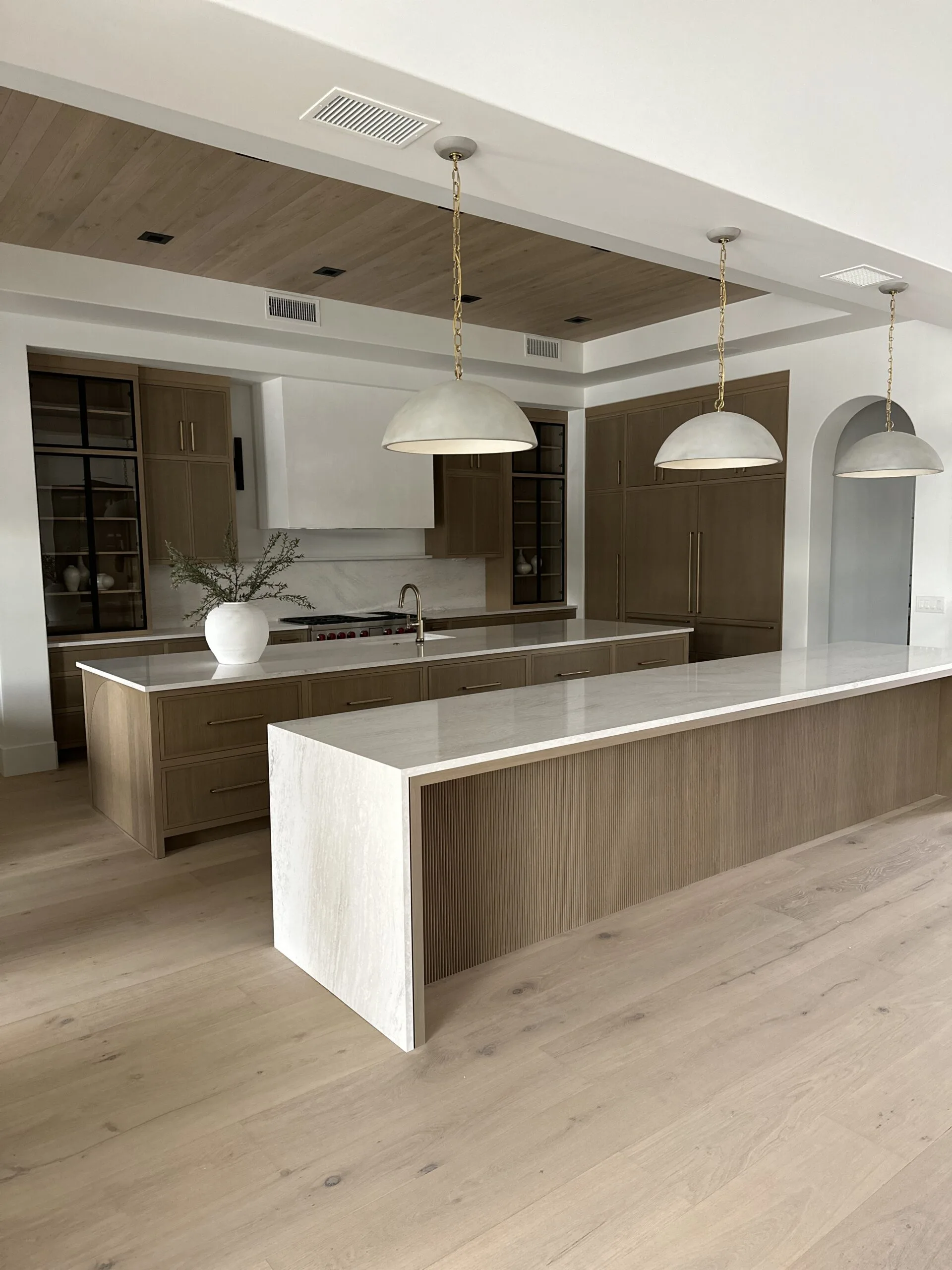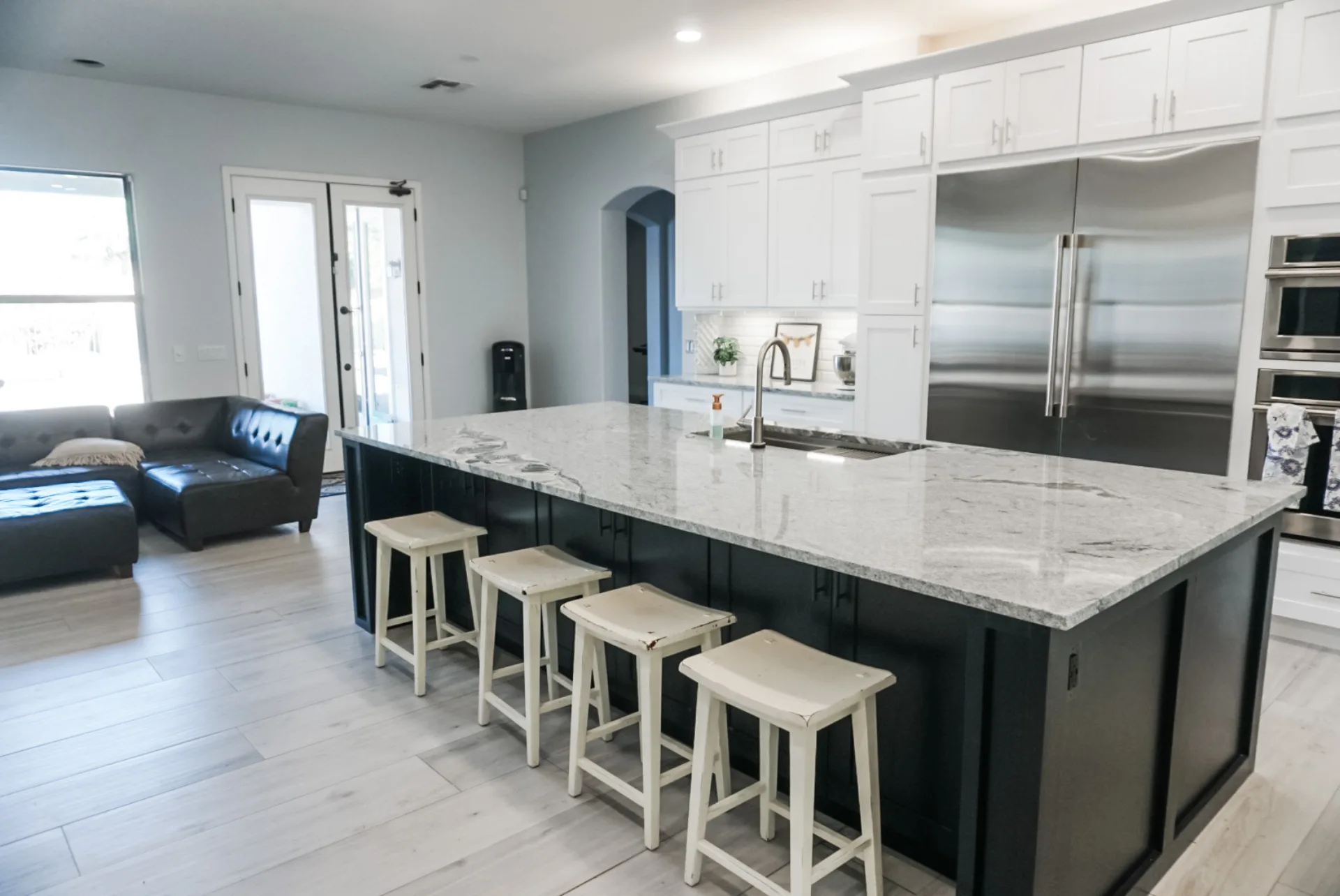
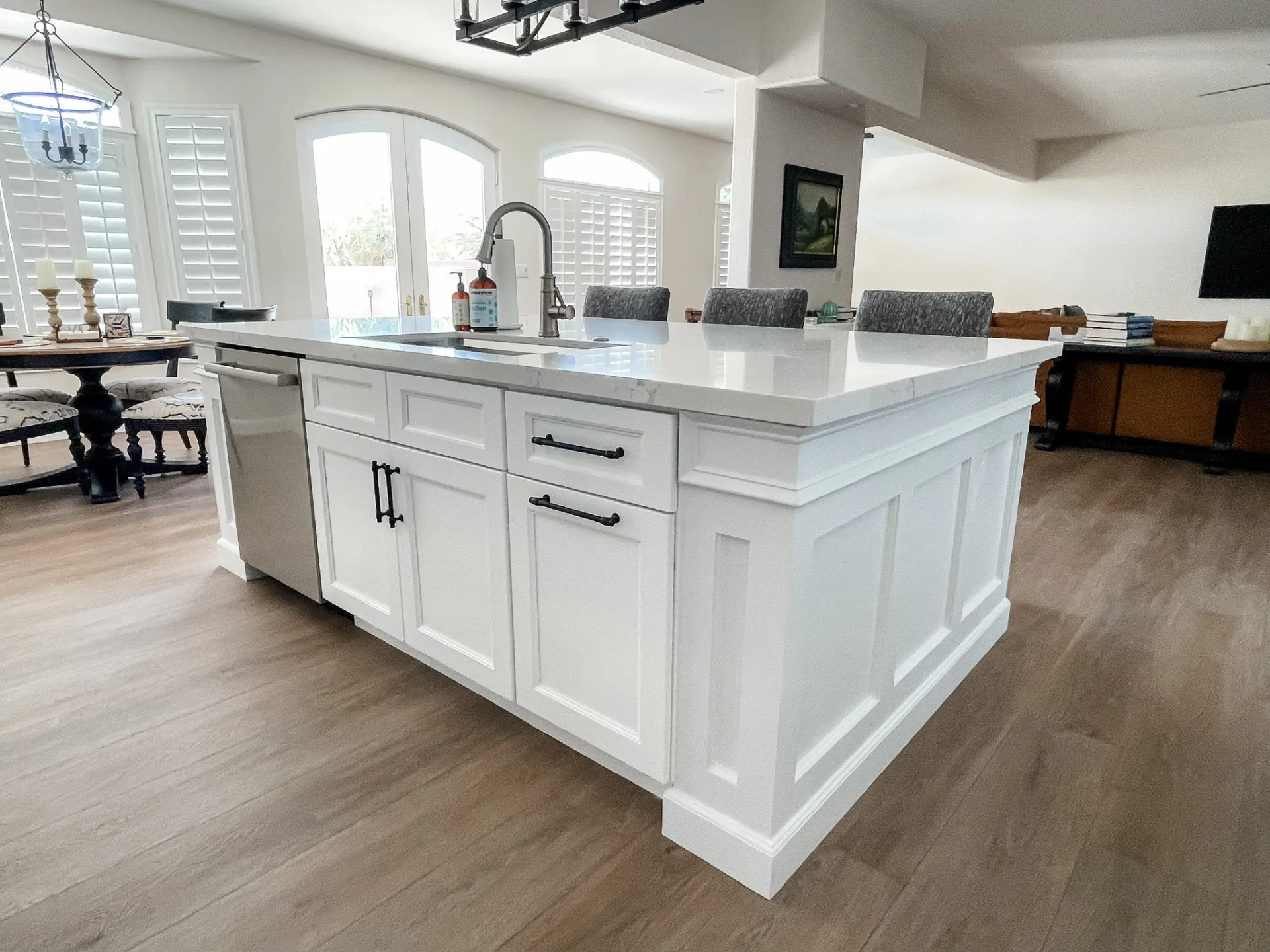
The most common version of this question sounds something like "Do we even need a designer for this renovation?" The second most common comes a few months later and sounds like "We are about to start framing, should we get one involved now?" Both questions almost always arrive later than they should.
The honest answer is not complicated, and it is worth understanding well before the first architectural sketch is paid for.
The Honest Answer: Before The Plans Are Final
The single biggest lever on the success of a luxury renovation is alignment between design and construction. That alignment is easiest to create before plans are final, when layouts, ceiling heights, cabinetry walls, lighting strategy, and structural decisions are all still negotiable.
A designer brought in at that stage is shaping the project. A designer brought in after plans are stamped is reacting to it. That is exactly why the Provision process begins with design and construction in the same room from the very first meeting, not handed off between separate firms after decisions have already been committed.
Most homeowners we meet have already paid an architect for a set of drawings by the time we get the call. The drawings are usually beautiful. They also commit the project to dozens of choices that the interior designer would have advocated against, if she had been in the room. That is not the architect's fault. It is an artifact of hiring the team in the wrong order.
What Happens When Design Comes In Late
The pattern is predictable enough that we can name it in advance:
- Layout changes get expensive. Moving a wall after construction documents are issued is a meaningful redrawing, re-engineering, and permitting exercise. Moving the same wall during concept is a conversation.
- Selections fight the architecture. A cabinetry program designed for a wall the architect drew at nine feet looks different at the ten feet the designer would have asked for. By the time the designer sees it, the framer has already built the wall.
- The budget gets surprised. Field decided finishes are almost always more expensive than ones specified early, because lead times are tighter and substitutions are forced under pressure.
- The trades start guessing. When a specification is still open at the moment a trade needs an answer, they either wait, which costs the schedule, or they guess, which costs the finished product.
None of these outcomes are inevitable. They are the predictable result of hiring the interior designer as an afterthought rather than as a peer to the architect and builder.
The Order We Would Recommend
If you are at the very beginning of a project, the sequence that consistently produces the best outcomes looks like this:
- A discovery conversation with your builder and interior designer at the same time, ideally as part of one integrated team
- Concept and feasibility work, with both teams contributing to layout, structure, and budget assumptions
- Design development, where selections start to inform architectural and structural decisions rather than react to them
- Construction documents and finish selections finalized together, not sequentially
- Construction, with selections locked and long lead times already honored
If your project is already past the second step, it is not too late to bring a designer in. It just costs more to course correct than it would have cost to align at the beginning.
What About Smaller Projects?
For a single bathroom or a straightforward paint refresh, a full design engagement is usually overkill. A design consult or a decorator is the more sensible fit. The math changes the moment the project touches layout, cabinetry, lighting, or material continuity across more than one room.
Once those variables are in play, the cost of not having design alignment exceeds the cost of the design fee. That math holds across most of the price points we see. If your project is in the East Valley, our teams cover Chandler, Gilbert, Mesa, Scottsdale, and Paradise Valley.
Signs You Are About To Hire Late
A few quiet warning signs that show up right before a project ends up bringing a designer in too late:
- The architect has already been paid for a full set of plans and the interior conversation has not begun
- The builder is already pricing the job and finish decisions are still framed as future homework
- The permit set is being finalized without a reflected ceiling plan or a finish schedule
- The family is being told they can decide on tile, plumbing, and lighting after framing goes up
Any one of those is a fair signal to pause and bring the interior designer into the conversation before the next document is issued.
The Bottom Line
The right time to hire an interior designer is the moment a renovation is a real decision. The wrong time is after framing is up. Most homeowners learn this the expensive way, and there is no reason it has to be that way.
When you are ready to talk through the order of hires on your project, our interior design process is a good place to start.