Homeowners often assume design and construction happen in a natural sequence: design the home, then build it. In practice, the design decisions that matter most, structure, mechanical systems, and material lead times, are also construction decisions, and treating them separately is where good intentions turn into expensive change orders.
Bringing a builder into the conversation while the design is still taking shape does not slow anything down. It removes an entire category of rework that only shows up later, once drawings are finished and bids come back higher than expected.
What Happens When Design And Build Teams Meet Too Late
In a traditional sequence, an architect or designer finishes a full set of drawings before a builder ever reviews them. Those drawings represent months of decisions, all made without pricing feedback or a structural sanity check from the person who will build it.
When the builder finally sees the plans, problems surface all at once: a ceiling detail that requires re-engineering the trusses, a window wall the foundation was not designed to carry, or a total cost meaningfully above what the homeowner budgeted. Each of those requires a redesign cycle, and redesign cycles cost months, not days.
What Changes When The Builder Joins Early
An integrated team reviews structure, mechanical routing, and rough budget ranges while the design is still flexible enough to adjust cheaply. That does not mean the design gets smaller or safer, it means ambitious ideas get pressure tested against reality while a pencil change is still possible.
- Structural assumptions get confirmed before they are drawn into construction documents
- Material and equipment lead times inform the schedule from day one of design
- Budget ranges are grounded in current trade pricing, not last year's assumptions
- Selections happen in the sequence construction needs them
This is the practical difference behind design-build versus traditional bid-build contracting: one model checks buildability continuously, the other checks it once, at the end, when changes are hardest to make.
The Cost Of Redesign Cycles
A redesign cycle rarely means a small tweak. It typically means the architect returns to schematic design, the engineer revisits calculations, and the builder repricing the entire scope, which can add months to a schedule that was already tight against a homeowner's timeline.
Multiply that by the number of homeowners who go through two or three rounds of value engineering before settling on a buildable design, and it becomes clear why early alignment is a scheduling strategy as much as a cost control one.
Where This Shows Up Most On Custom Homes
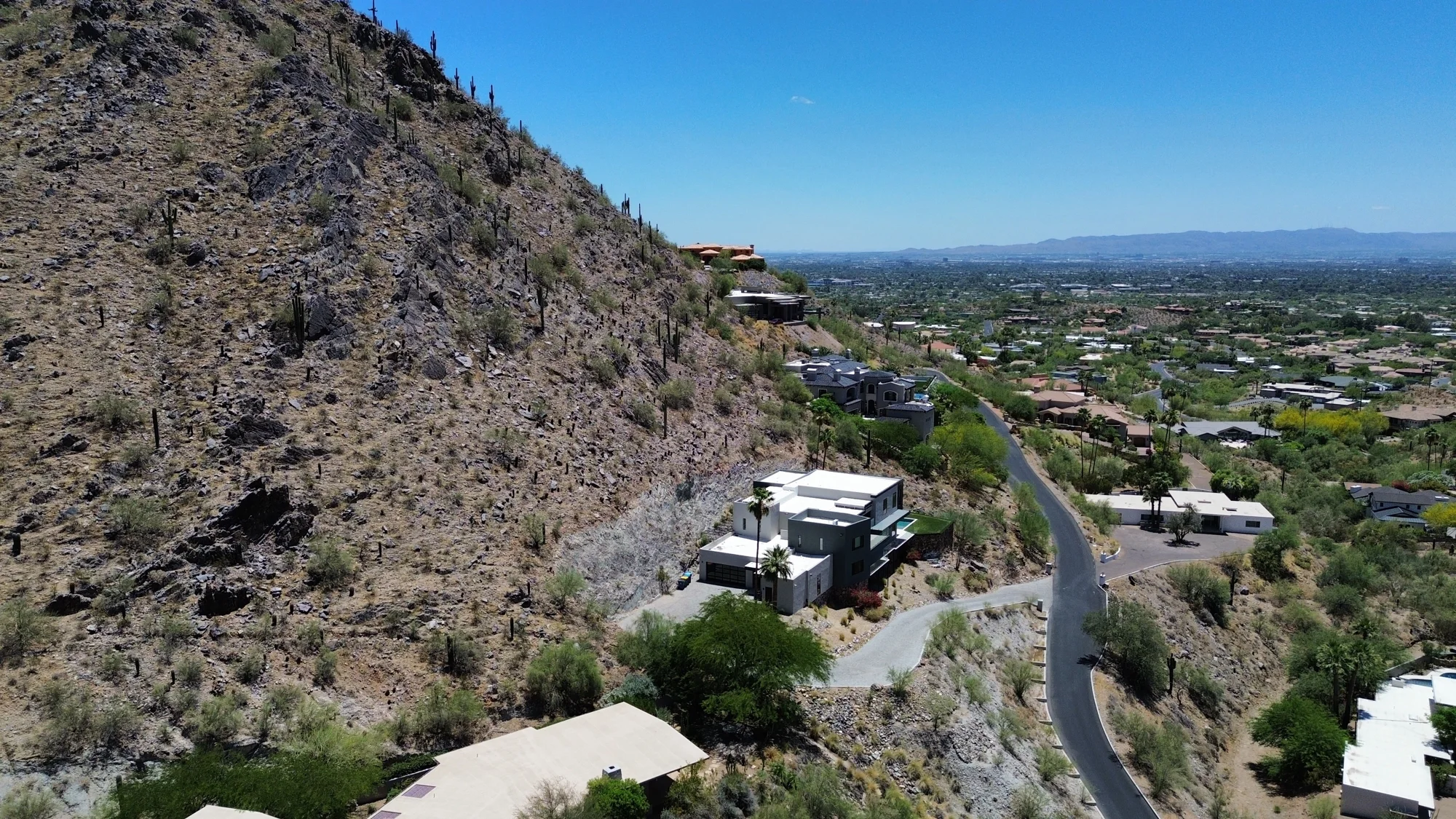
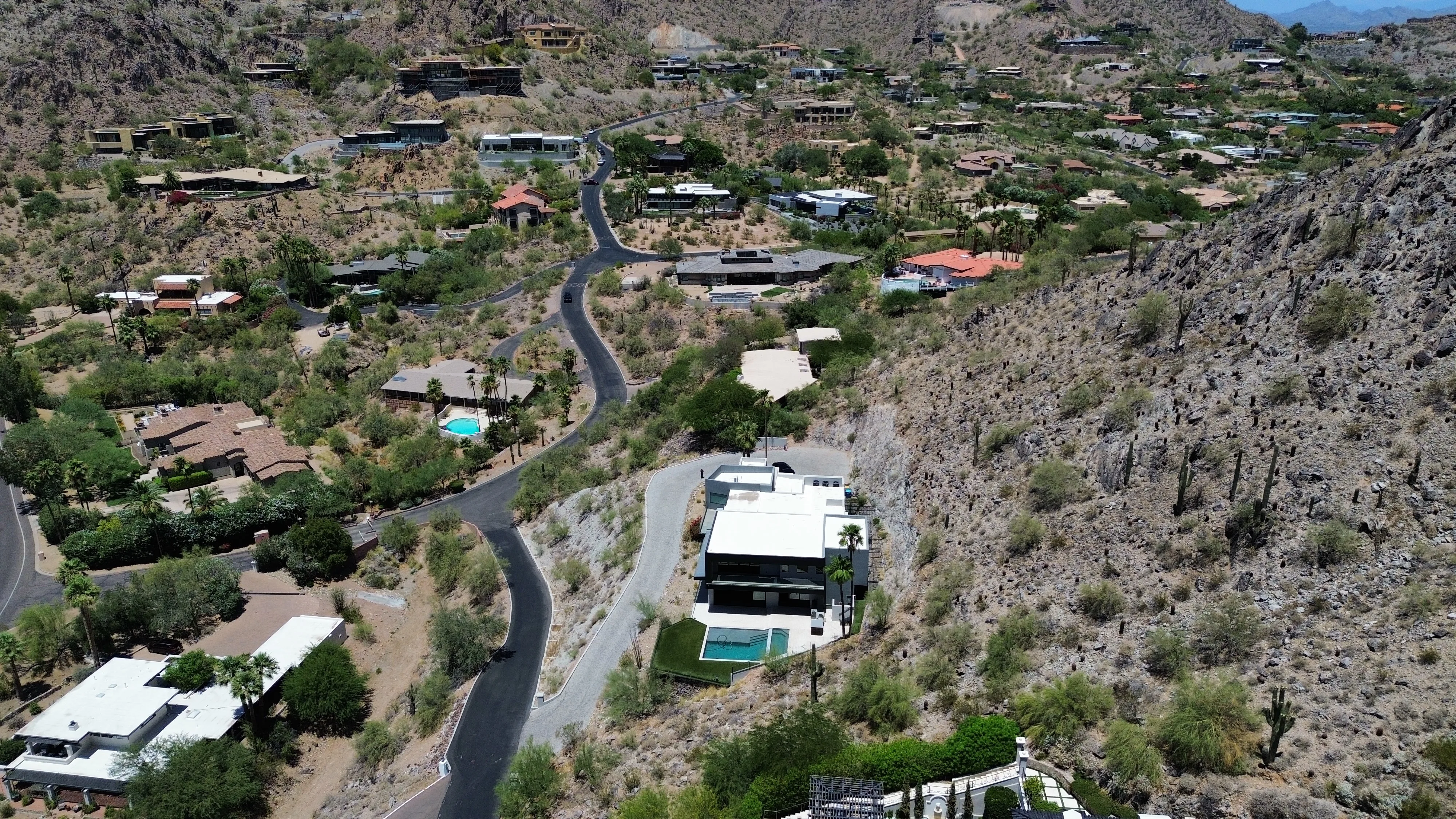
Custom home design decisions like ceiling height, roof pitch, window wall size, and foundation type are structural before they are aesthetic. A builder reviewing those decisions early can flag cost and feasibility issues while the architect still has room to adjust the concept rather than the finished drawing set.
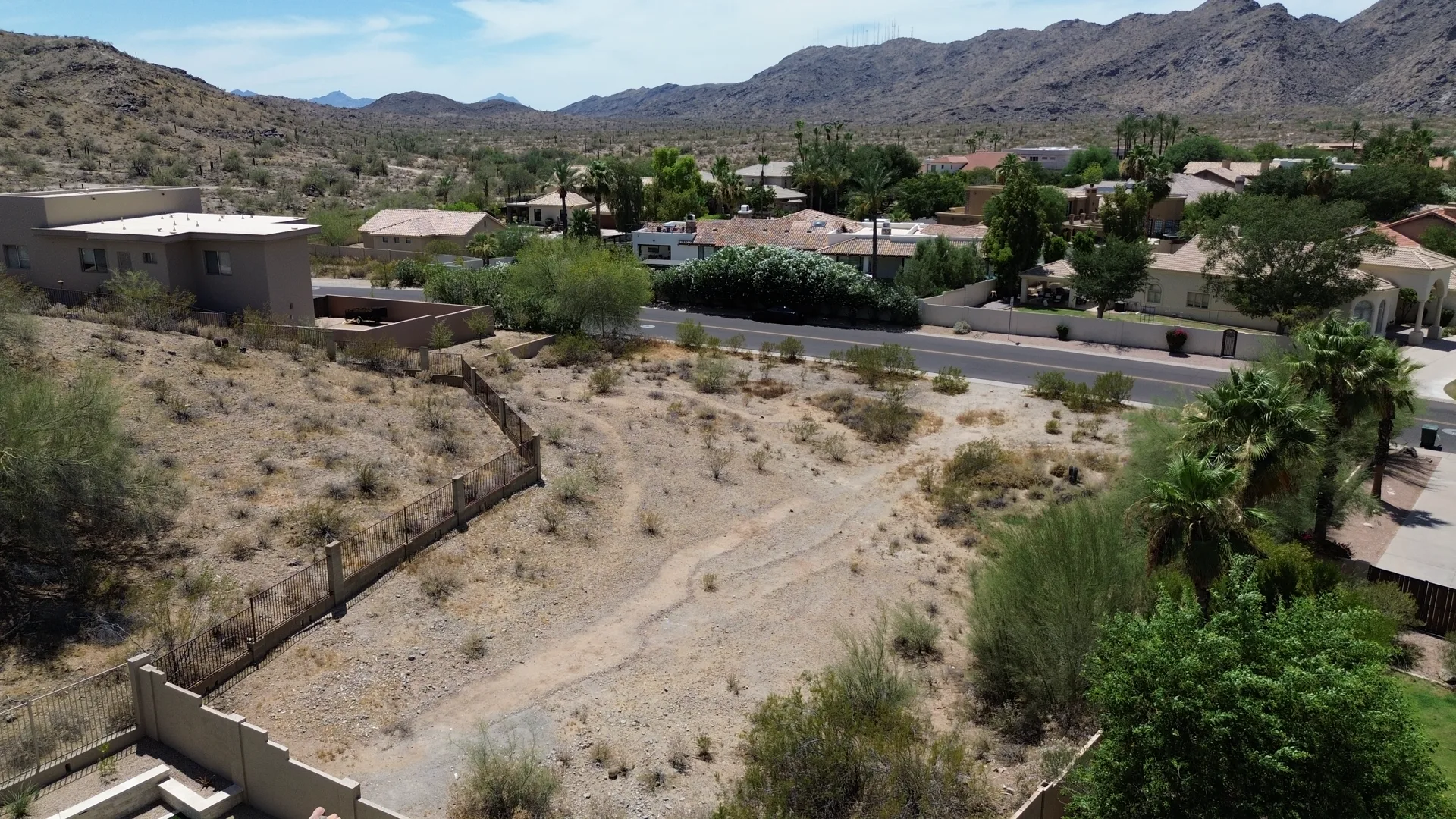
This is one reason custom home projects in the Valley increasingly start with an integrated team rather than a sequential one, particularly on lots with challenging grading, orientation, or setback constraints.
Where This Shows Up Most On Renovations
Renovations carry an added layer of risk: existing conditions. A wall assumed to be non-structural, plumbing routed differently than the original drawings show, or electrical capacity that cannot support a new layout are all discoveries that a builder is positioned to anticipate earlier than a designer working from as-built drawings alone.
Early builder involvement on a major renovation means those risks get investigated during design, through selective exploratory work if needed, rather than discovered mid-demolition when options are limited and costly.
How Interior Design Fits Into Early Alignment
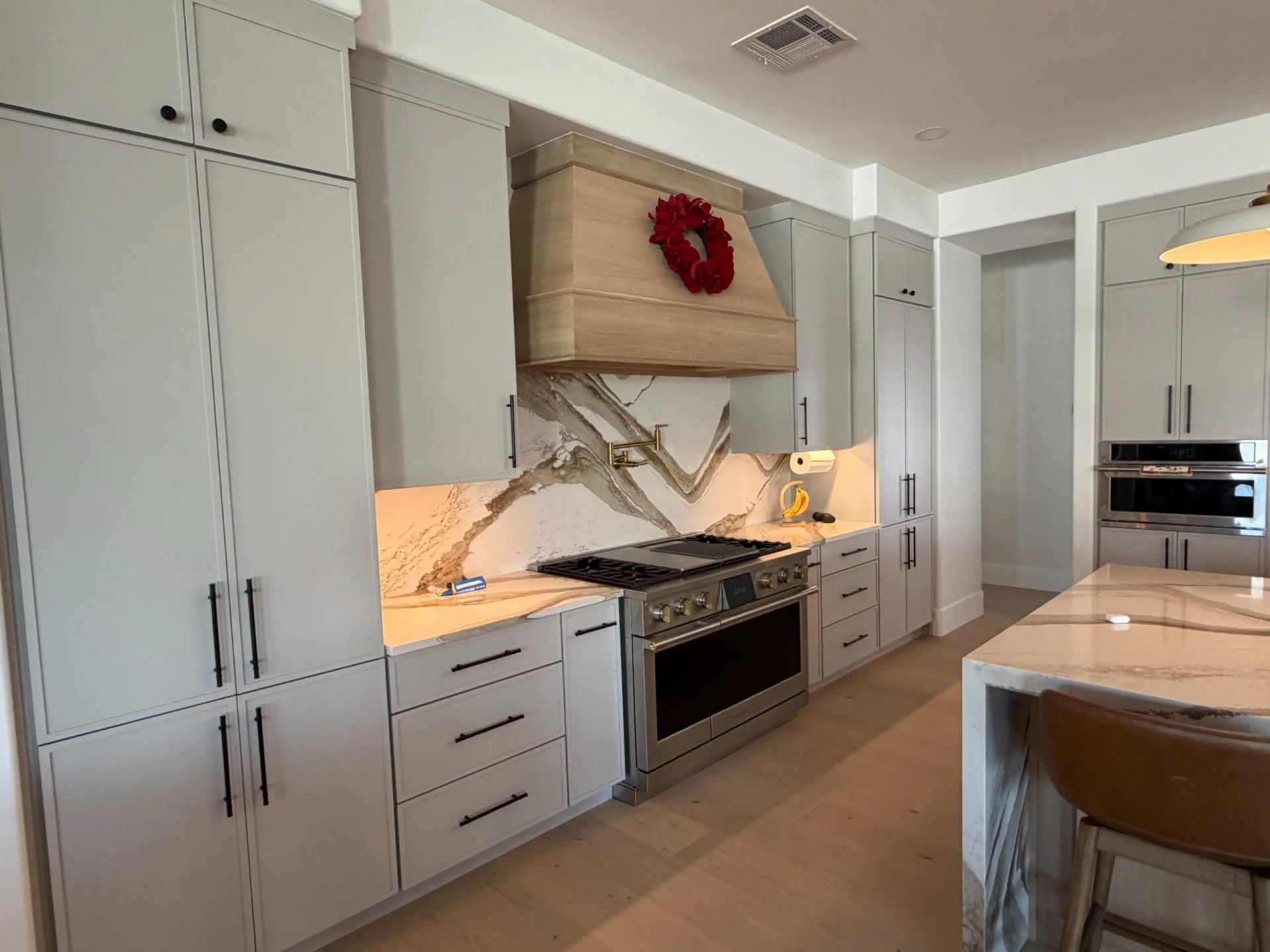
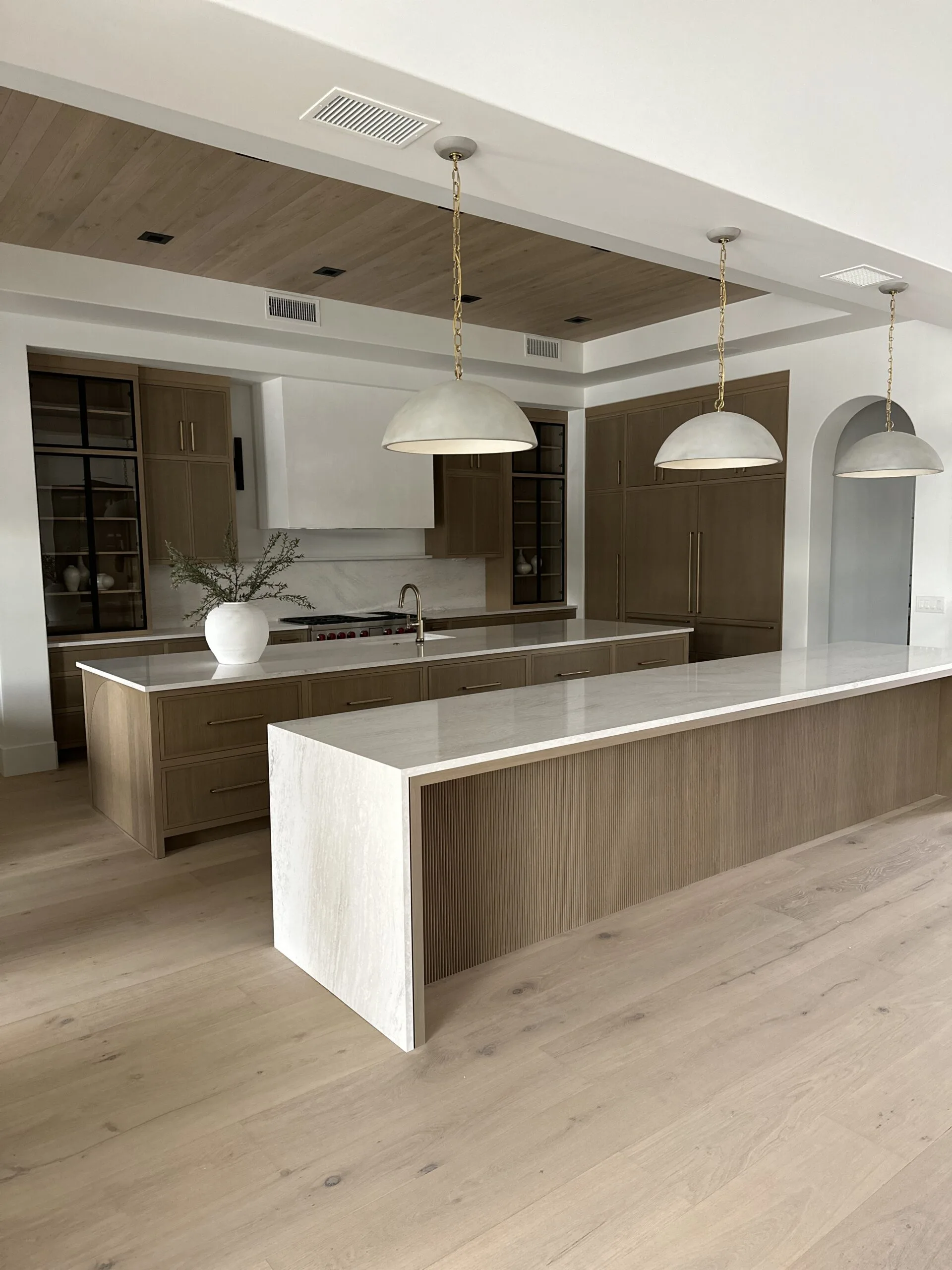
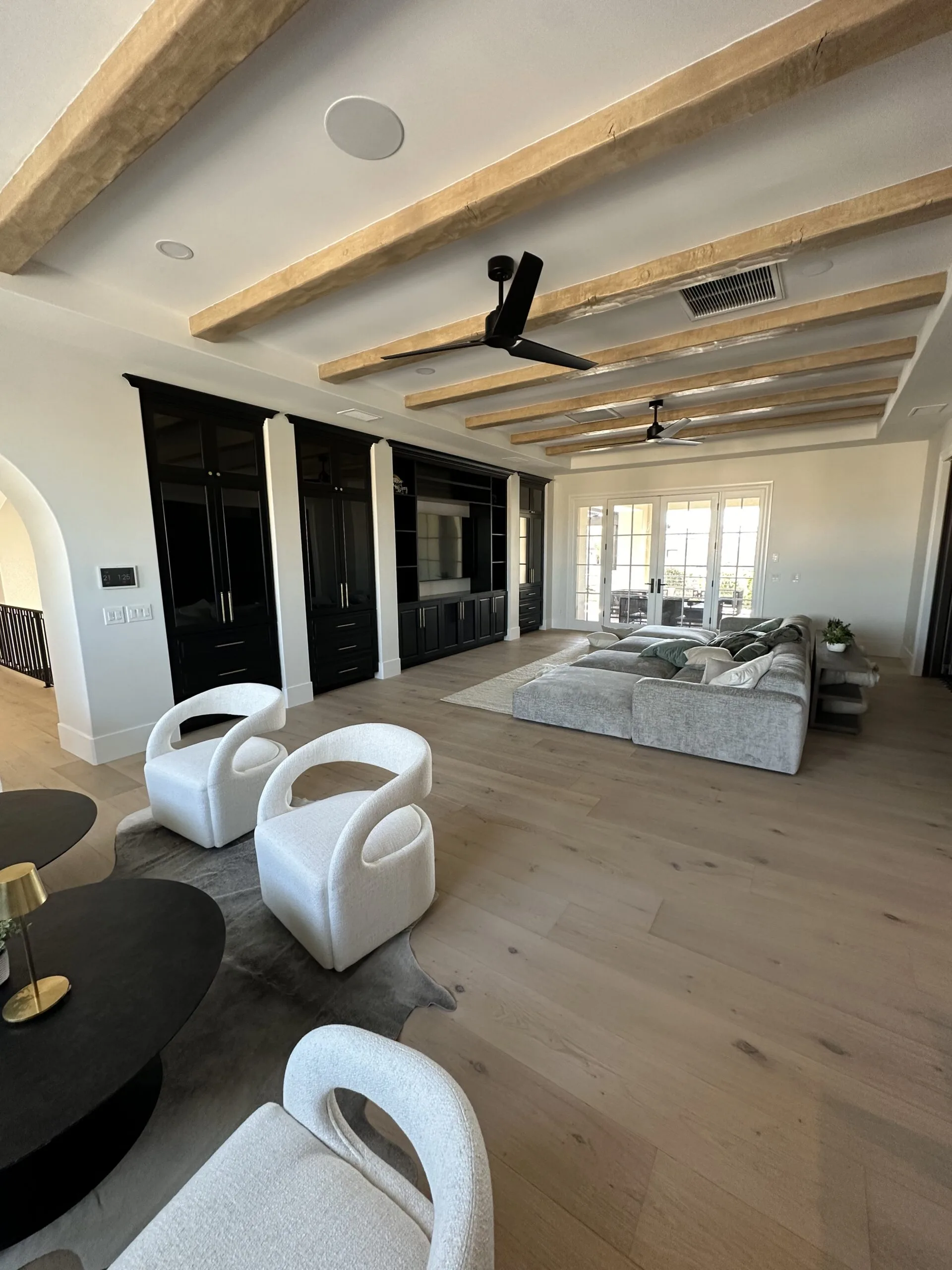
Structure and mechanical systems are not the only categories that benefit from early coordination. Interior design decisions like cabinetry dimensions, lighting layouts, and millwork elevations depend on framing that happens early in construction, so the designer needs a seat at the same early table as the builder.
Homeowners who bring interior design into the process from the start, rather than after construction documents are finished, typically see fewer conflicts between what was drawn and what the room needs to function.
How This Affects Long Term Value
A home designed with buildability in mind from the start tends to age better, because the systems behind the walls were sized correctly the first time rather than adjusted under pressure. That durability is part of the long term value homeowners protect when they insist on early alignment rather than treating it as a formality.
What To Look For In A Team Structured This Way
Not every firm that calls itself design-build integrates the two disciplines. Ask how the designer and builder communicate during the design phase, how often they meet, and whether budget estimates are grounded in real trade pricing rather than a rule of thumb applied late.
- A single point of contact who is accountable for both design and construction outcomes
- Budget checkpoints built into the design phase, not just at the end of it
- A documented process for how design decisions get priced before they are finalized
Early Alignment Also Protects Design Intent
When a builder joins late, cost pressure often forces changes to the parts of a design that matter most, because those are usually the most expensive to build. Early alignment lets the team find savings in less visible areas first, protecting the signature moments a homeowner cared about when the design was approved.
The Real Savings Are Time And Certainty
The financial savings from early alignment are real, but the bigger benefit for most homeowners is certainty. Knowing that a design has already been checked against structure, budget, and schedule removes the anxiety that otherwise builds through months of waiting on a bid to come back.
That is the outcome our process is built around: designer and builder working from the same table from the first sketch, so the plans a homeowner falls in love with are also the plans that get built.