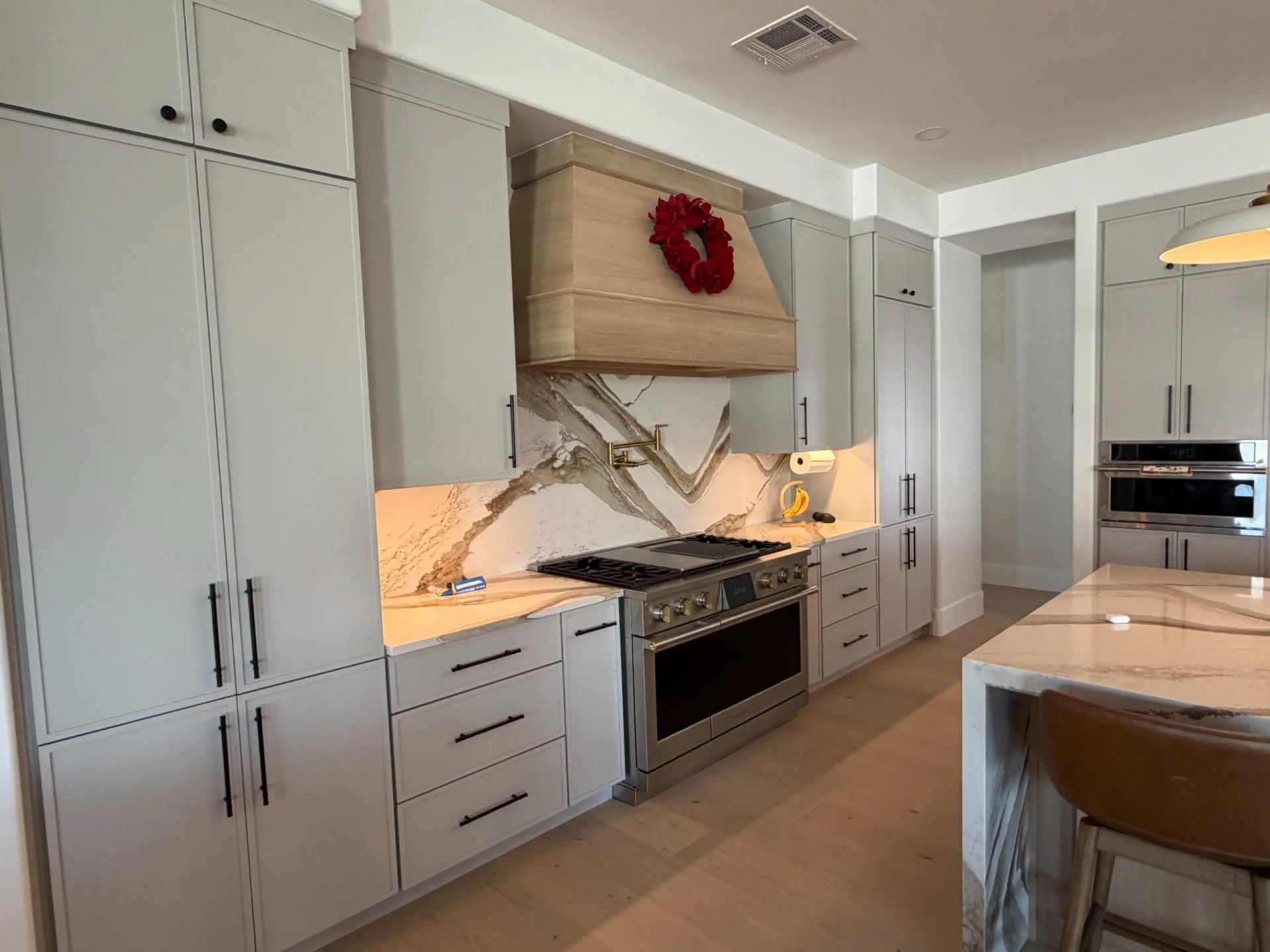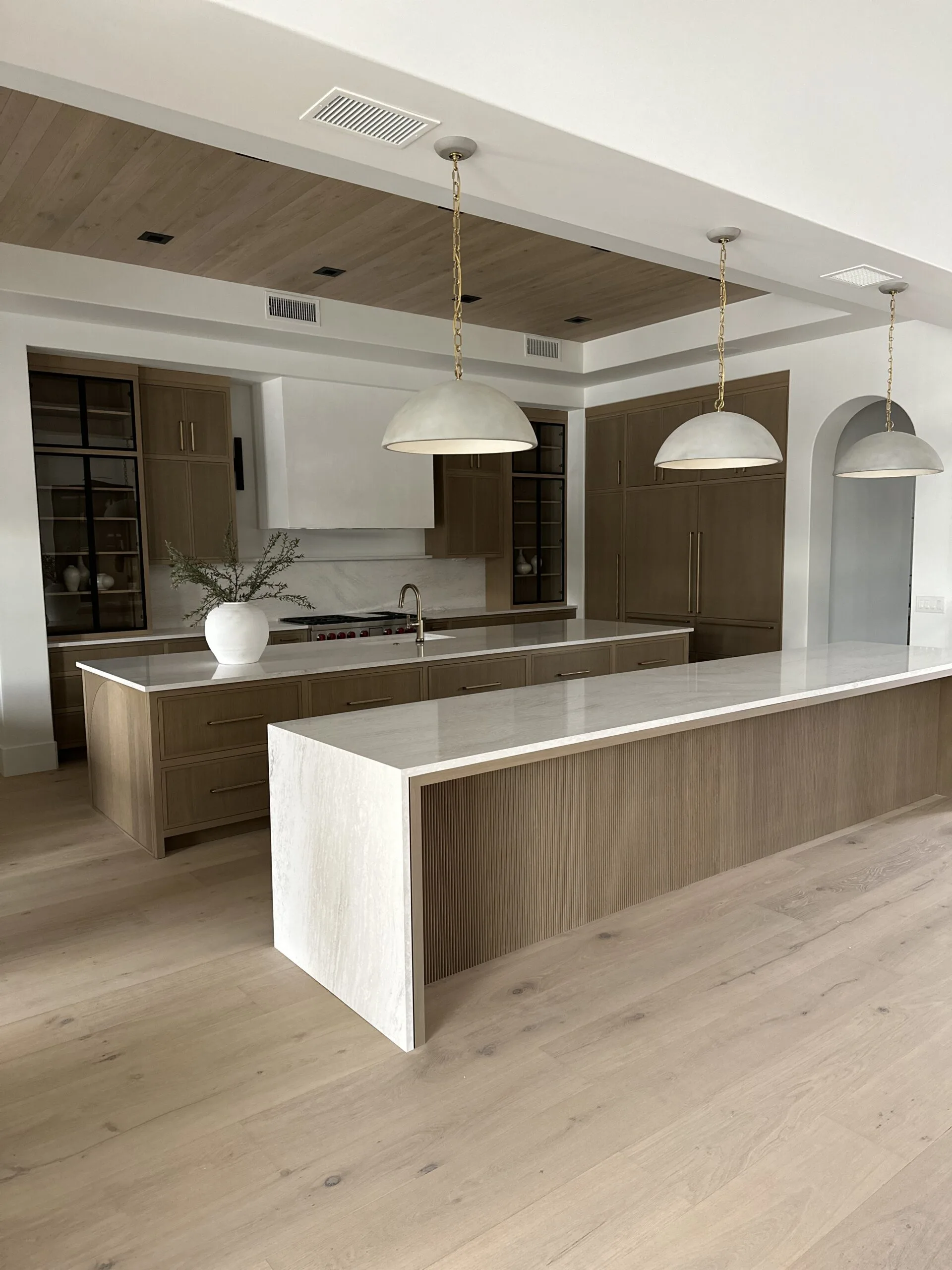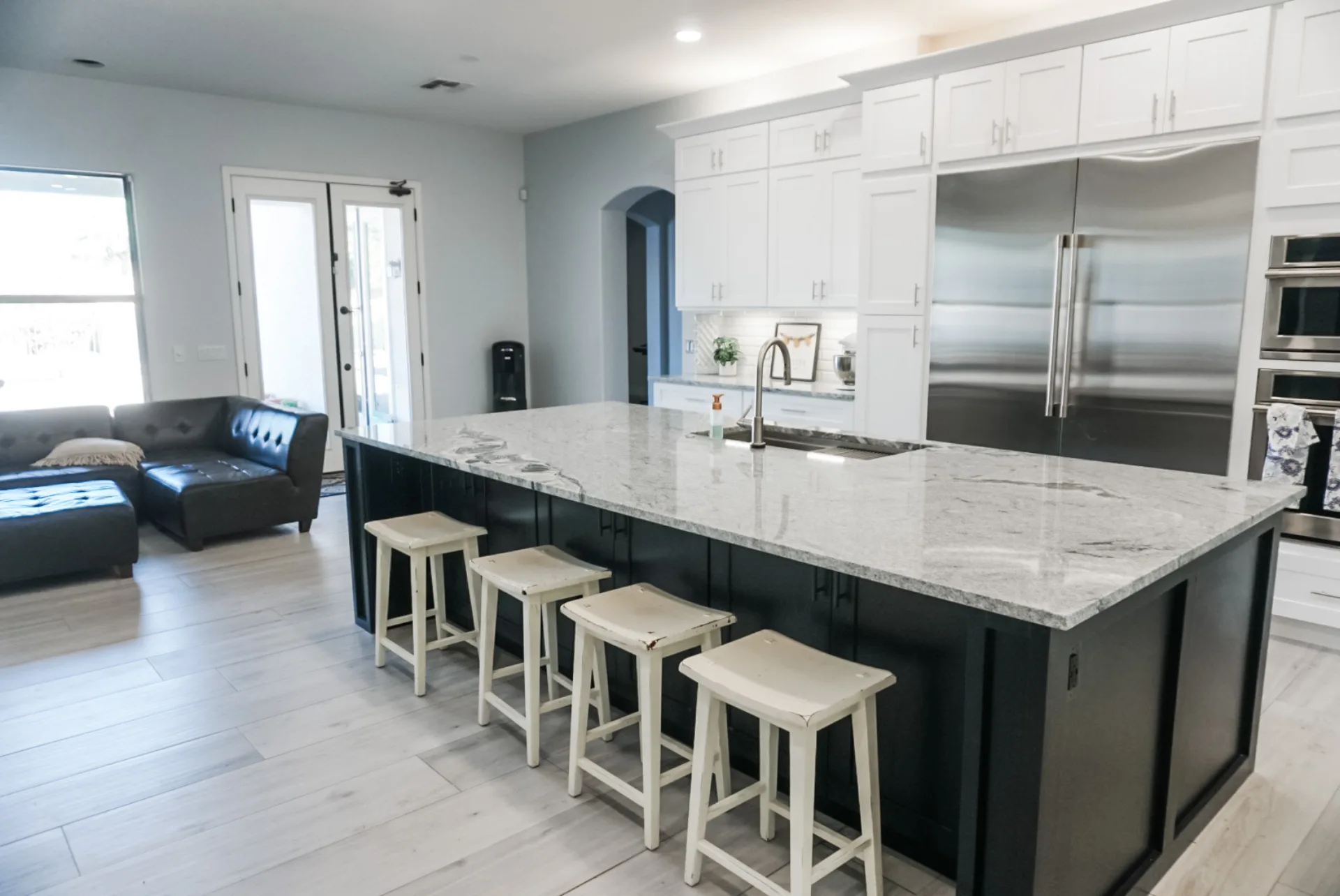
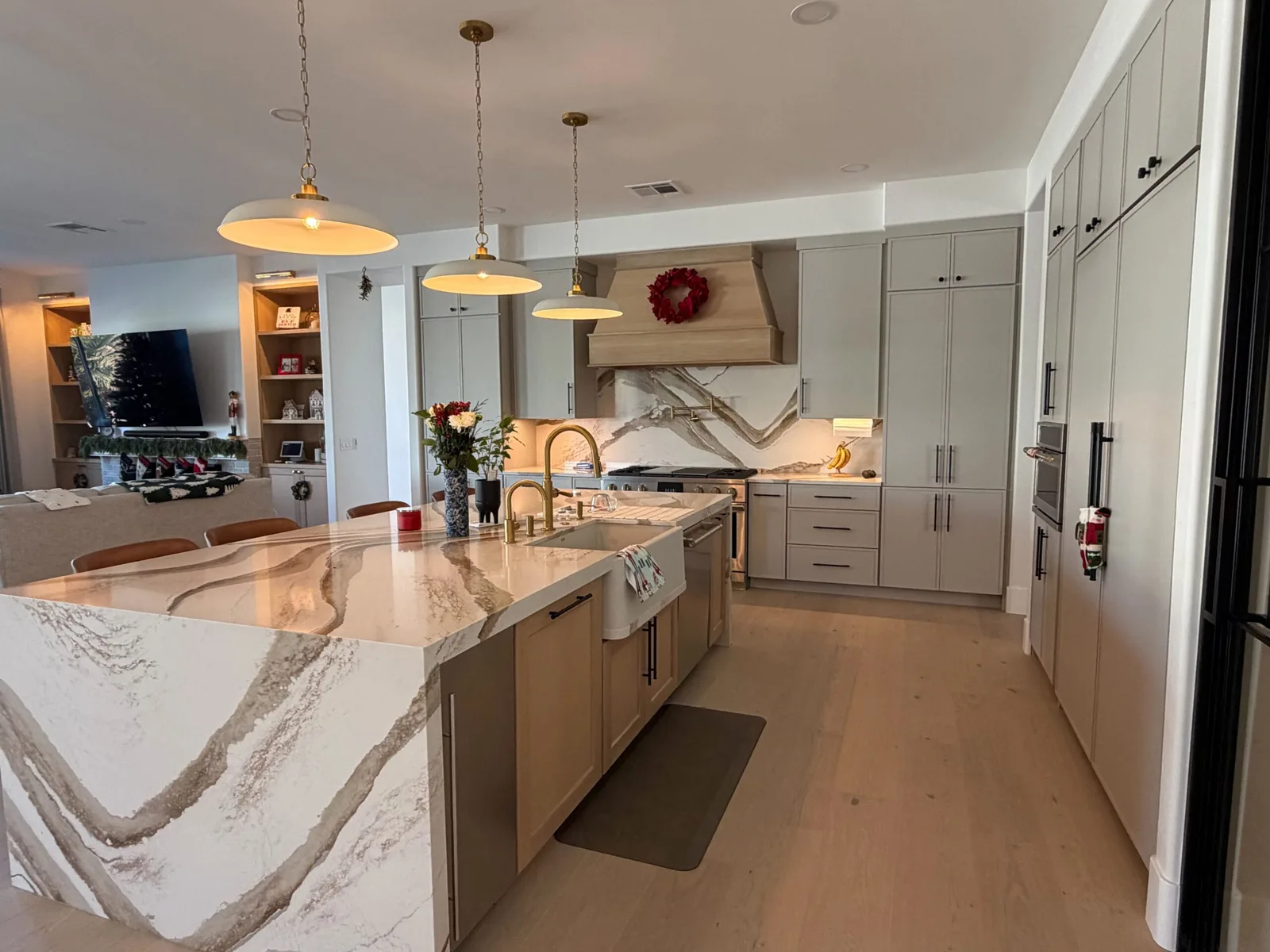
A luxury renovation is a thousand small decisions that add up to a feeling. Working with the right interior designer is how that feeling gets protected from the first sketch through the final walk through, and how those thousand decisions end up pointing in the same direction.
The value of a good designer is not the finish board she presents. It is the coordination, the discipline, and the trained eye applied to hundreds of choices most families would otherwise be making under time pressure. Here is a closer look at what a designer brings to a luxury renovation, and where the return shows up.
Professional Expertise Applied Before Decisions Get Made
The biggest advantage of working with an experienced interior designer is the perspective she brings to the project before any single decision is made. She evaluates the space objectively, in the context of how the family lives, and develops a comprehensive design plan that starts with function before it ever addresses finish.
The work spans:
- Spatial planning, circulation, and the way rooms relate to each other
- Architectural alignment on ceiling heights, cabinetry walls, and lighting strategy
- Material and color palettes that hold up across every room
- Furnishings and styling once construction is complete, when the scope includes it
A designer tailors that expertise to the specific family and the specific home rather than handing over a templated look. That distinction is what separates a home that feels personal from one that feels catalog. It is also the reason the same square footage can produce two very different projects depending on who is holding the pencil during pre-construction.
Designing Within The Budget, Not Around It
Contrary to a common assumption, hiring an interior designer does not have to enlarge the budget. In most cases, the opposite is true. A good designer protects the budget by narrowing decisions, applying trade pricing where it makes sense, and steering the project away from the expensive mistakes that come from guessing.
The savings tend to accumulate in places that never appear as line items:
- Fewer change orders driven by field decided finishes
- Fewer substitutions made under lead time pressure
- Fewer returns and rework on selections made in isolation
- Better sequencing of long lead items so the schedule holds
Read more on that dynamic in how interior designers help prevent expensive construction mistakes, and see how the same discipline applies to material decisions in who chooses materials, the designer or the builder.
Time And Stress The Family Would Otherwise Absorb
A luxury renovation requires meticulous planning, sourcing, coordination, and daily problem solving. That work is time consuming, and without a designer running it, most of it lands on the family. An interior designer acts as a project partner from pre-construction through installation.
Her role covers specifications, sourcing, coordinating with the build team, tracking deliveries, and resolving the small daily fires that would otherwise interrupt the family's week. The family gets to keep living their life while the project moves forward under someone else's care. That coverage matters most in the weeks when several trades are on site at once and dozens of small decisions need an answer the same day rather than the same month.
Attention To The Details That Matter
Designers are trained to see the details that make or break a room. The proportion of a sconce to the mirror below it, the relationship between hardware finishes across a run of cabinetry, the way natural light falls on a textured wall at four in the afternoon.
Those details are the difference between a space that photographs well and a space that feels considered every time the family walks into it. By understanding how the family lives, an interior designer creates rooms that reward the family in ways a purely visual approach never quite does. A trained eye catches a misaligned grout line or an outlet placed a few inches off center before it becomes a permanent irritation, not after.
Access To The Right Craftsmen And Suppliers
An interior designer brings a network of trusted craftsmen, fabricators, and suppliers that most families would spend years assembling on their own. That network is what makes custom work possible at a level that would otherwise be out of reach.
Those relationships tend to include:
- Millwork shops that can build to a designer's drawings
- Upholsterers who understand the difference between a piece meant to be admired and one meant to be lived on
- Stone yards that call the designer when a special slab lands
- Lighting reps who can meet the specification rather than the substitution
The family inherits those relationships the moment they bring a designer onto the project, and those relationships tend to outlast the renovation itself for anything the family wants to add or change later.
The Long Term Value Of A Home That Feels Resolved
Beyond the immediate benefits, a thoughtfully designed renovation adds long term value in ways that show up years down the road. A home that feels cohesive, intentional, and well executed photographs better, shows better, and sells better. Buyers respond to spaces that feel resolved, and that resolution is exactly what good design produces.
Across our recent projects in Chandler, Gilbert, and Scottsdale, the homes that read as most complete a year after move in were the ones where design led selections rather than the reverse.
Where Design Fits Inside The Overall Process
The most effective way to work with an interior designer is to bring her in at the same time as the builder and architect, before construction documents are finalized. Inside our integrated design-build process, that alignment happens by default because both teams sit under the same roof.
For families working with outside builders or architects, our designers still run the same process. The kickoff spends more time getting all three teams reading from the same set of priorities and building against the same drawings. Families deciding when to bring her in at all should also see when to hire an interior designer during a renovation.
The Takeaway
Hiring an interior designer for a luxury renovation is one of the highest return decisions a family can make. The expertise, vision, and coordination she brings turns the renovation into a home while saving the family time, stress, and often money that would otherwise be lost to avoidable mistakes.
Whether the project is a single room or a whole home, working with an interior designer is how a family makes sure the finished result matches the version they imagined at the beginning.