Arizona gives builders a long, dry, workable year and two conditions that have to be respected: extended summer heat and a monsoon pattern that arrives in the middle of it. Neither one stops a well planned project, and both punish a schedule built as though every month were identical.
The teams that hold their dates here are not working faster in July. They are sequencing the weather sensitive work into the months that suit it and keeping productive interior work available when a storm closes the yard.
What The Arizona Calendar Looks Like To A Builder
Our year splits into a few practical windows rather than four conventional seasons. Understanding them makes a proposed schedule much easier to read.
- Late fall through early spring: the most flexible stretch, comfortable for exterior work, concrete, and roofing.
- Late spring: still dry, with afternoon heat beginning to compress outdoor working hours.
- Summer monsoon months: heat plus intermittent storm activity, typically from early summer into September.
- Early fall: heat easing, one of the better windows for stucco, paint, and exterior finishes.
Which Activities Actually Care About Weather
Only a portion of a build is weather exposed, and knowing which portion is the difference between an anxious schedule and a calm one. Excavation, grading, foundations, framing, roofing, stucco, exterior paint, and site concrete all depend on conditions outside.
Once a house is dried in, the majority of remaining work is interior and largely weather independent. That is why getting a structure closed up before the heaviest storm weeks is worth planning around.
How Heat Changes Means And Methods
High temperatures do not prevent quality work, they change how it is performed. Crews shift to early start times, concrete placements move to the cooler part of the day, and mixes are adjusted so curing happens at a controlled rate.
Coatings and adhesives get the same attention, since a surface that is too hot can cause a finish to flash off before it bonds properly. These are ordinary adjustments for an experienced Arizona luxury home builder, and they are the reason a summer schedule still produces a durable exterior.
What Monsoon Weeks Do To A Schedule
Monsoon activity in the Valley tends to be intense and brief rather than steady. A storm can close a dirt site for a day or two, wash out a grading operation, or push a roofing crew, and then the week reopens.
- Open excavation and trenches need protection, and standing water means a pause until conditions dry.
- Exterior finishes are rescheduled rather than rushed, because timing is what makes them last.
- Dust and blowing debris affect openings, so a dried in house gets sealed before storm weeks.
- Interior work continues, which is how the crew keeps producing through the pause.
Sequencing A Custom Home Around The Year
On a new home, the design and permitting phases are weather independent, which makes them useful to run through summer. A plan that reaches permit in late summer often puts site work and foundations into the cooler, drier stretch that follows.
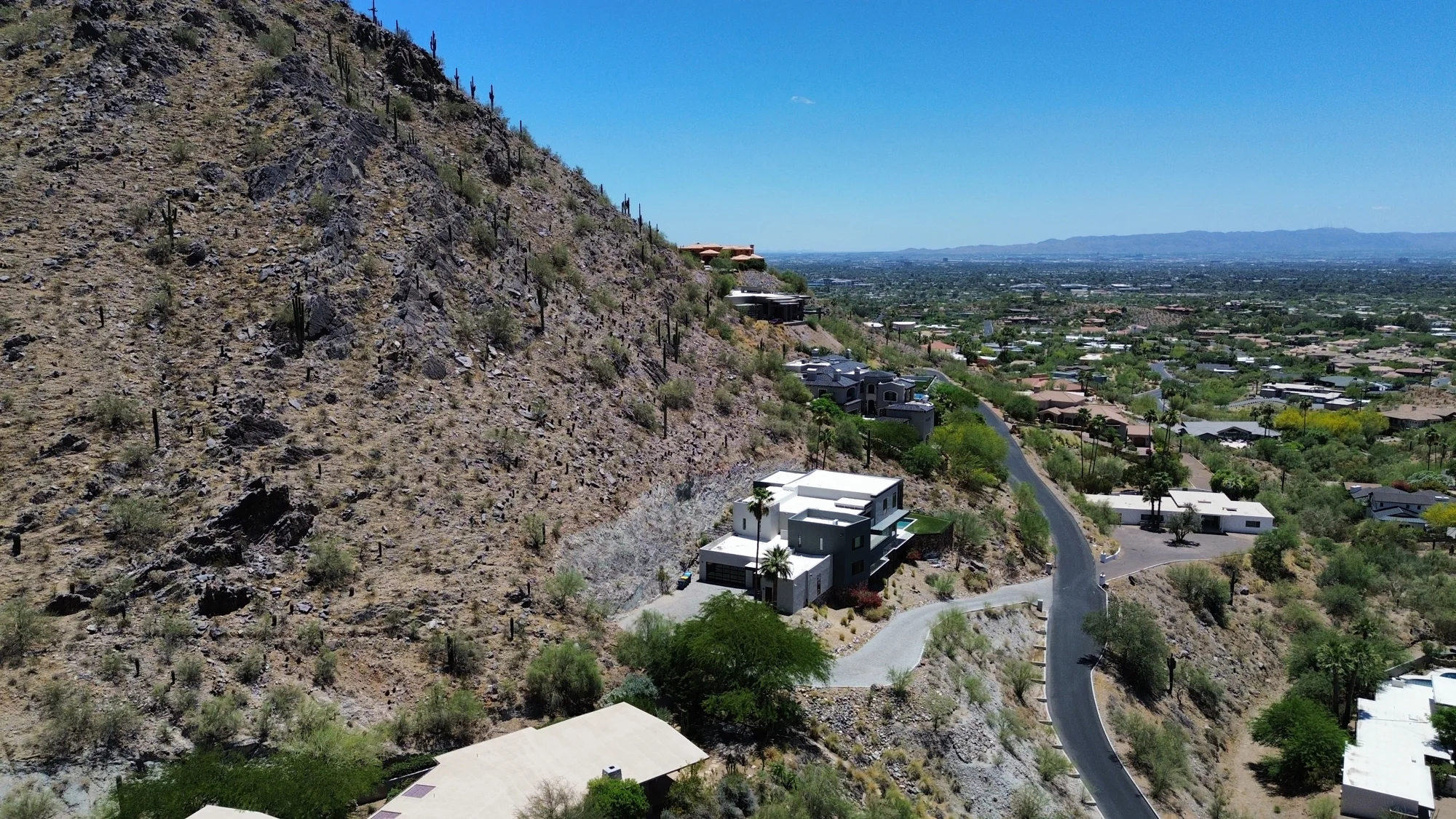
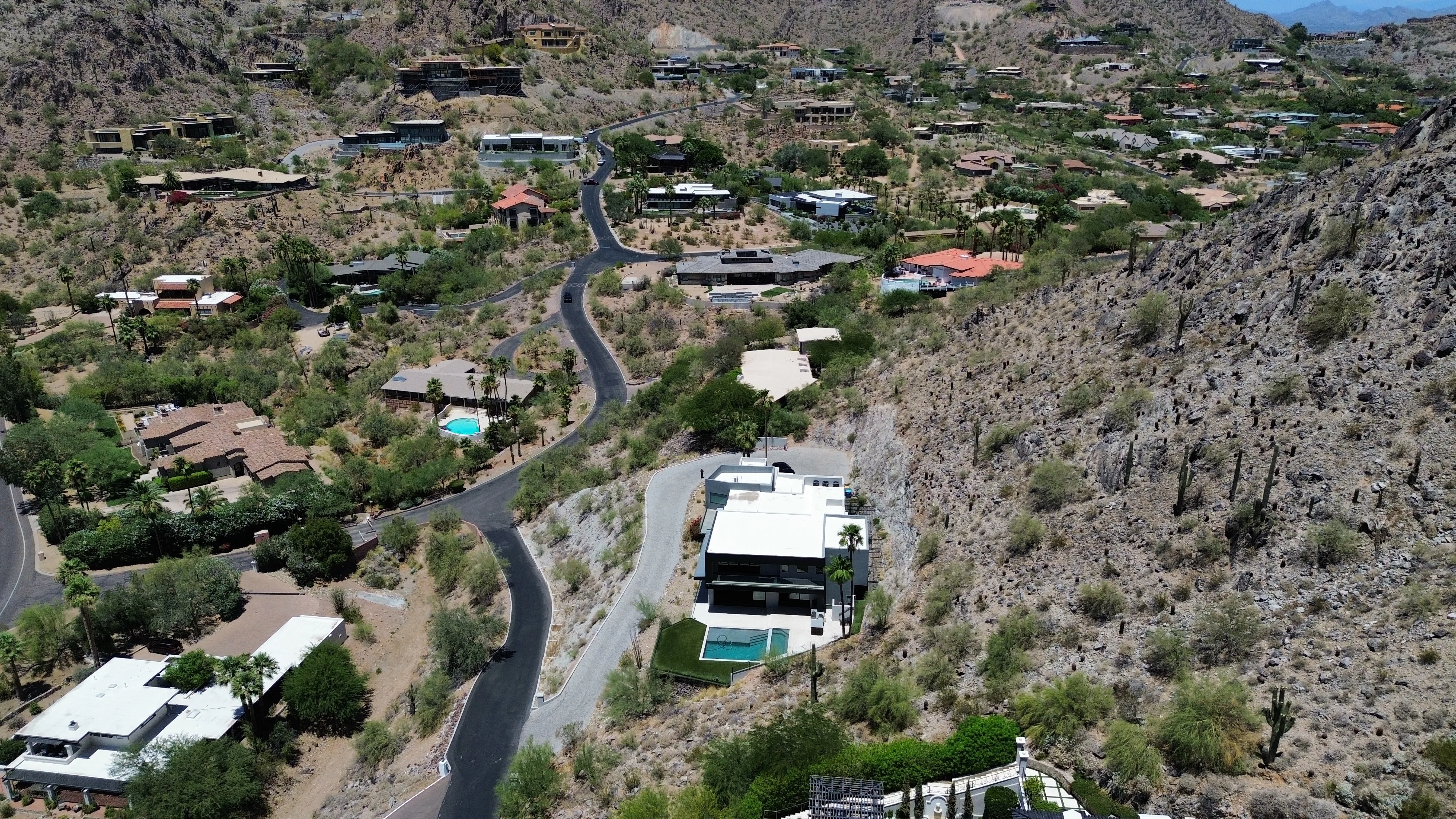
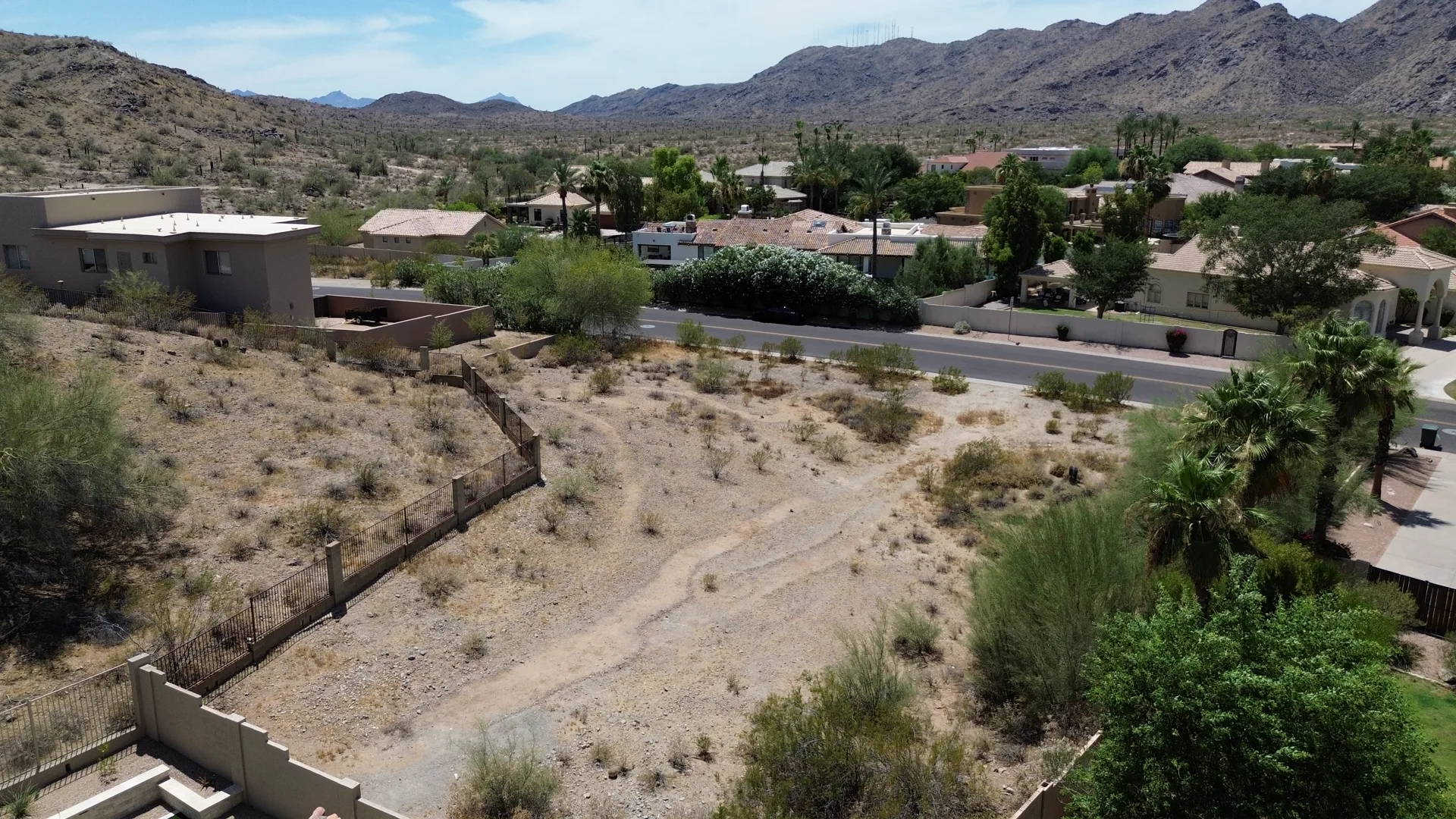
Every lot is different, and a hillside site carries its own constraints on top of the calendar, which we cover in our look at building on a hillside lot in Arizona. The principle holds either way: put the dirt work where the weather cooperates.
Sequencing A Renovation Around The Year
Renovations are less exposed, since most of the scope is inside an existing structure. The exceptions matter, though: roof work, window replacement, additions, exterior refinishing, and anything that opens the envelope.
On a full home renovation in Arizona, we try to complete envelope work before peak storm weeks, then carry interior scope through the summer. Households across Chandler and Gilbert often find that a summer interior phase is the least disruptive option available.
Permitting Runs On Its Own Clock
Municipal review has nothing to do with weather, but it interacts with it. A permit that lands in the middle of monsoon weeks sends site work into the worst conditions of the year, while the same approval a month earlier or later changes the entire sequence.
That is why we track submittal dates against seasonal windows rather than treating them as separate items, a habit described further in our overview of East Valley permit timelines.
Selections And Lead Times Are The Real Buffer
Weather delays become schedule problems mainly when they arrive on top of a material that has not shipped. A house waiting on windows during a storm week loses time twice.
- Windows, doors, and cabinetry ordered during pre construction rather than after framing.
- Tile, stone, and plumbing confirmed in quantity before the trade is scheduled.
- Long lead lighting and appliances placed early, with substitutions decided in advance.
- Interior scope kept ready so crews have productive work on a rain day.
This is one more reason selections belong in design rather than in the field, which our interior design team plans for on every project.
Questions Worth Asking Before You Sign A Schedule
A proposed timeline should show that someone thought about the calendar. A few direct questions will tell you quickly.
- Which months are the exterior and site activities scheduled into?
- What is the plan when a storm closes the site for several days?
- When does the house reach dried in, relative to the monsoon window?
- Which long lead items are already ordered, and what is the confirmed delivery?
A Schedule That Respects The Climate Holds Up
Weather is the one variable no team controls, which makes it the clearest test of how a schedule was built. Plans that assume perfect conditions slip in July, and plans with sequencing and material buffers absorb the same week without drama.
That coordination between design, procurement, and field operations is the point of an integrated team, and it is the difference we describe in design build versus a general contractor.