Every renovation conversation eventually arrives at the same question. What is this actually going to cost? The honest answer is that it depends, and the things it depends on are mostly invisible from the curb.
Two homes that look identical from the street can be hundreds of thousands of dollars apart once real scope is on paper. The good news is that budgets are not mysterious. They are predictable when the drawings are complete, the assumptions are named, and the team has the discipline to price what is actually being built. Here is where the money tends to land on a luxury renovation, and how to read a number you can trust.
The Five Buckets Every Budget Falls Into
On a luxury renovation, nearly every dollar lives in one of five places. The percentages move project to project, but the categories are remarkably consistent.
- Structure and systems. Framing, foundations where they are touched, roof, windows and doors, HVAC, electrical, plumbing rough in, insulation, and drywall. The bones of the home. Typically thirty to forty percent of the total.
- Finishes and millwork. Cabinetry, flooring, tile, stone, paint, interior doors, trim, and hardware. The visible surfaces that define how the home feels. Typically twenty-five to thirty-five percent, and the bucket that varies most by finish level.
- Fixtures and equipment. Plumbing fixtures, lighting, appliances, hardware, smart home, and audio visual. Five to fifteen percent, and almost entirely driven by selections.
- Sitework and exterior. Hardscape, pool work, landscape, exterior lighting, outdoor kitchens, fencing, and drainage. Anywhere from five to twenty percent depending on the scope outside the walls.
- Soft costs and overhead. Design fees, engineering, permits, project management, general conditions, insurance, and contingency. Often fifteen to twenty-five percent of the total, and the bucket homeowners most often underestimate.
Every one of those categories has a range rather than a single number, and every one of them is worth being deliberate about during pre-construction.
Why Two Estimates On The Same Project Look Nothing Alike
An estimate is only as honest as the scope behind it. When two numbers come in far apart on what appears to be the same project, the gap almost always traces to one of the following:
Allowances. A bid with an aggressively low tile allowance and another with a realistic one will look very different on paper, even though the low one usually turns into a change order later. Low allowances make the bottom line look better and quietly defer the real number until the family cannot back out.
Scope assumptions. One builder assumes the existing electrical panel is fine. Another walks the home, notices an older panel that will not carry the new kitchen, and includes a service upgrade. Same house, very different number, and only one of them is actually complete.
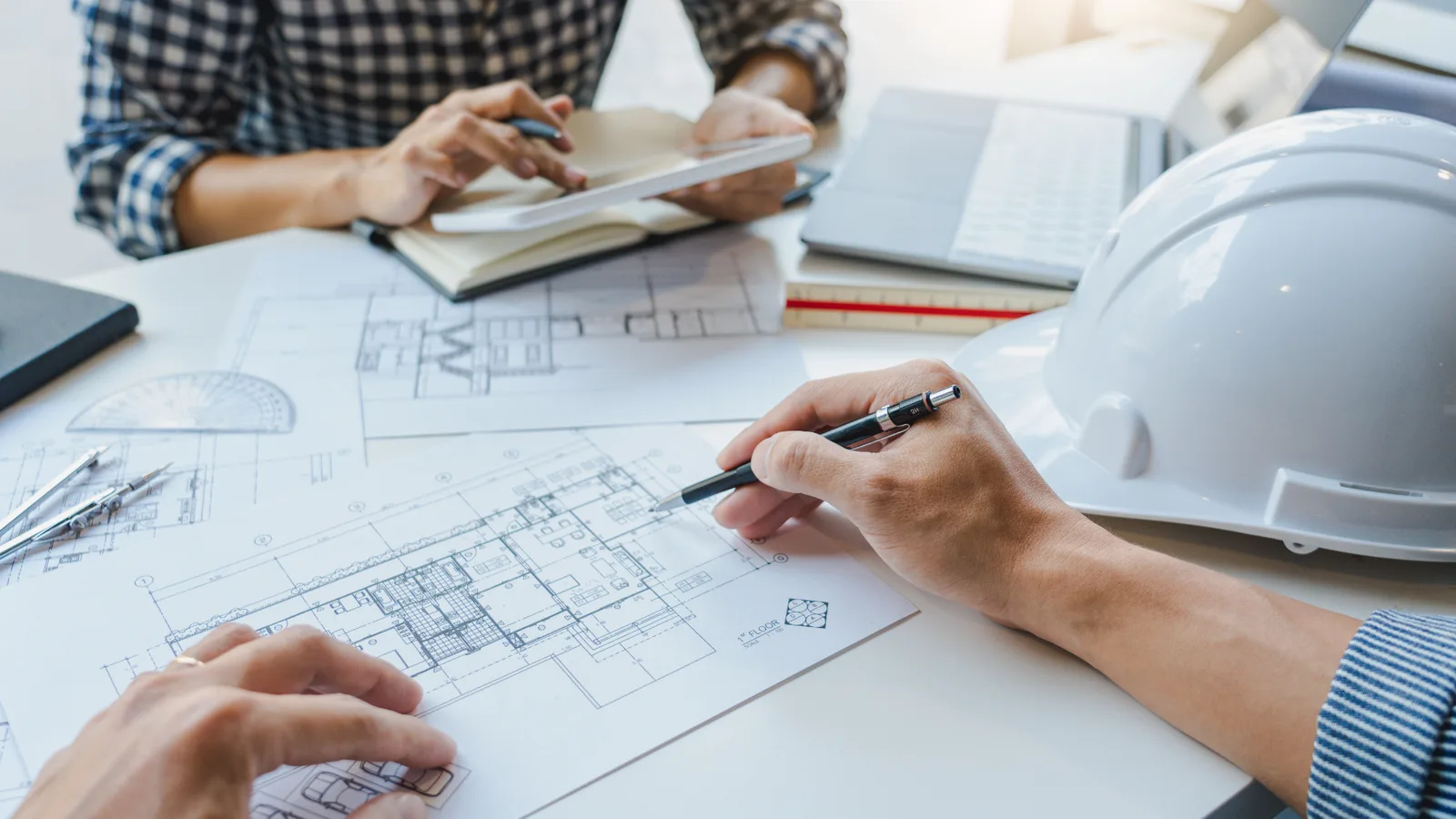
What is drawn versus what is described. A detailed construction drawing set can be bid tightly. A two page sketch cannot. The vaguer the documents, the more the bid is a guess, and guesses tend to be optimistic until they have to be real.
Overhead and general conditions. Site supervision, project management, dumpsters, portable restrooms, temporary power, weekly cleaning, and safety are all real line items. Reputable builders carry them openly. Builders trying to look cheaper bury them inside unit prices, and the difference tends to show up as a growing number over the life of the project.
The Line Items Homeowners Consistently Underestimate
A handful of costs reliably surprise families. All of them are worth naming at the start of pre-construction rather than discovering during framing.
- Design and engineering fees. Architectural, interior design, structural, civil, and low voltage. On a full custom home or a major renovation, plan for a meaningful percentage of construction cost in design fees alone.
- Permits and city fees. Vary widely by jurisdiction. Paradise Valley, Scottsdale, Phoenix, Chandler, and Gilbert each run differently. Allow for review timelines as well as fees.
- Temporary living. If the family is moving out during construction, rental, storage, and moving costs are real budget items rather than afterthoughts.
- Furniture, art, and window treatments. A renovation budget that does not include the things that actually go in the rooms tends to land in a beautifully finished house that is not yet ready to live in.
- Sales tax and freight. On a luxury project this is a meaningful line, not a rounding error, especially when materials are shipped from out of state or imported.
Why The Cheapest Bid Is Almost Never The Cheapest Project
Every trade in the Valley pays broadly the same for labor and roughly the same for materials. When one number comes in noticeably below the others, the delta is rarely a deal. It is usually thin allowances, optimistic scope assumptions, or general conditions that got compressed into unit pricing to make the bottom line look better.
That delta gets recovered during construction as change orders, and the family is asked to make each of those decisions on the builder's schedule rather than their own. The final number typically ends up in the same neighborhood as the honest bid would have been, but the experience of getting there is very different.
How To Read A Number You Can Trust
The most useful estimate is not the lowest one. It is the most complete one. A budget that names its allowances, lists its assumptions, prices its soft costs, and carries an honest contingency is a budget you can manage over the life of the project.
Before signing anything, three questions are worth asking the builder in front of you:
- What is the allowance for tile, stone, lighting, plumbing fixtures, and appliances, and is that allowance realistic for the home we actually want?
- What is included for project management, supervision, and general conditions, and where does it live on the estimate?
- What contingency is built in, and what triggers spending it?
The builders worth working with welcome those questions and have answers ready. The ones who do not are usually the same ones whose final number will not look much like their first one.
How Pre-Construction Protects The Budget
Luxury renovation budgets are predictable when the scope is real, the drawings are complete, and the team has the discipline to price what is actually being built. The work of getting there happens in pre-construction, inside our design-build process, and it is the single most important investment a family can make in the financial outcome of the project.
If you are comparing bids on a project across Chandler, Scottsdale, or Paradise Valley, that is the lens worth holding each number up to. A bid backed by real drawings and honest assumptions is worth more than a lower number without them.