The question of whether to build new or renovate comes up early in nearly every consultation we have, and it deserves a more careful answer than instinct alone provides. Both paths can produce a home that feels considered and finished, but they start from very different constraints, and those constraints matter more than most homeowners initially assume.
The right way to approach the decision is to work through the factors that differ between the two, rather than starting from a preference and working backward to justify it.
Start With The Lot, Not The House
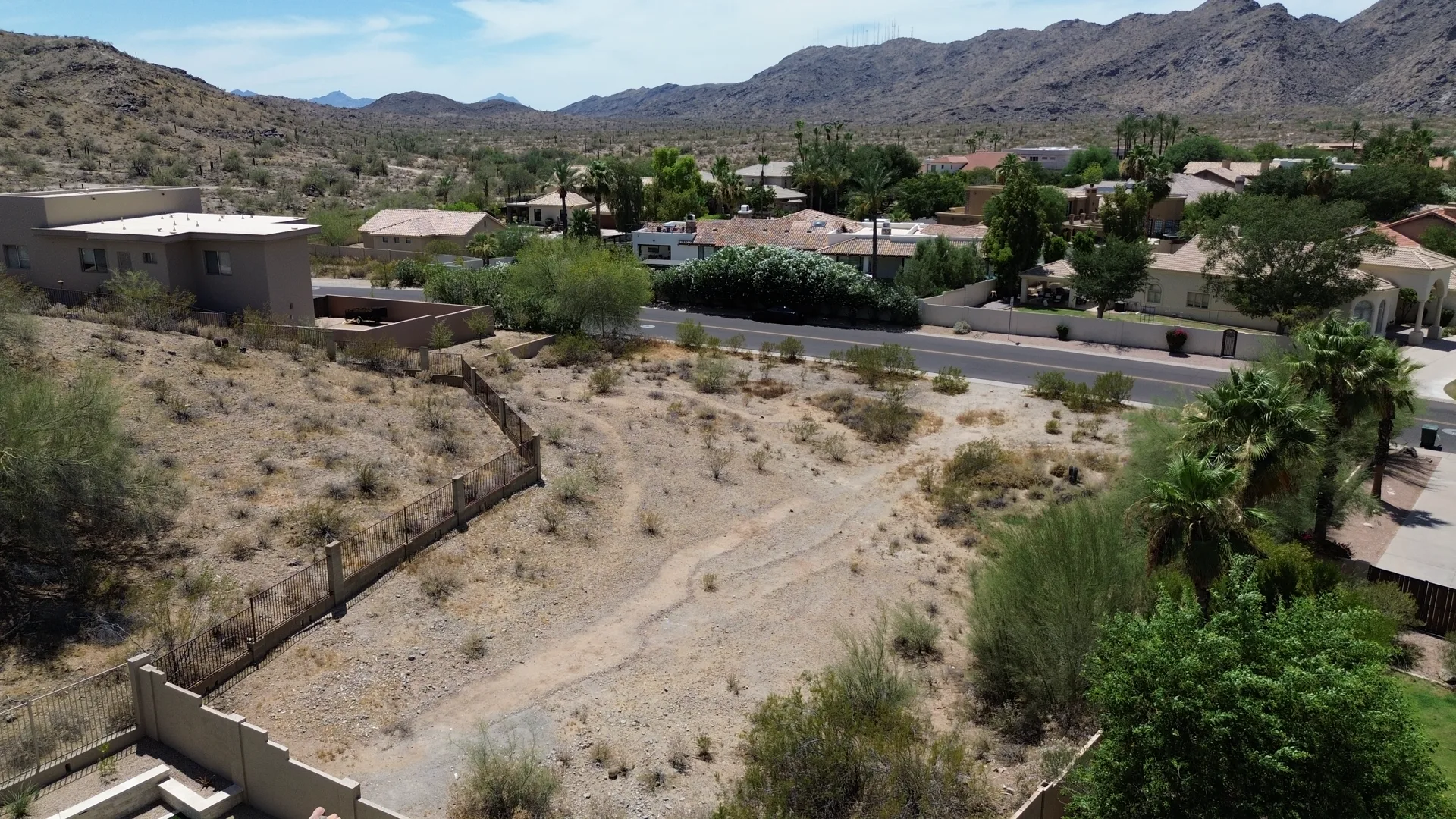
In much of the Valley, the strongest argument for renovating over building new is the lot itself. A mature lot in an established neighborhood, a specific view corridor, or proximity to schools and amenities the family already relies on can be difficult or impossible to replace, even with a larger construction budget.
If the lot is the reason the family loves where they live, that is a meaningful vote toward renovation, provided the existing structure gives the design team something workable to build from.
Assess What The Existing Structure Offers
Not every home on a great lot is worth renovating. The strongest renovation candidates have a footprint, ceiling heights, and structural bones that already support the layout the family wants, even if the finishes and floor plan need substantial work.
- A structure and roofline that can accommodate the desired ceiling heights without full reconstruction
- A layout where load bearing walls do not conflict with the rooms the family wants opened up
- Mechanical, electrical, and plumbing systems that are serviceable or reasonably upgradable
- A foundation and structural condition confirmed by inspection rather than assumed
When most of these are working against the design rather than for it, the cost of forcing a renovation to match the desired outcome often approaches the cost of starting over, without the benefit of a home built exactly to the family's plan.
Think Through How The Family Lives
Lifestyle fit matters as much as structure. A family that entertains frequently, works from home, or has evolving needs across generations may find that no amount of renovation resolves a layout that was designed around a different way of living decades ago.
Building new allows every room, sightline, and transition to be planned around how the family moves through a day, which is part of why interior design and architecture work together from the earliest sketches on a custom home.
Compare Timeline Honestly
Renovation is often assumed to be faster than building new, and for lighter scopes that assumption holds. A whole home renovation that touches structure, systems, and layout, however, can approach the timeline of new construction, and unexpected conditions behind existing walls can extend it further.
A new custom home has a more predictable sequence because there are no existing conditions to uncover, though it typically starts later while the design and permitting for a ground-up build are completed.
Weigh The Emotional Cost Of Displacement
A significant renovation of an occupied home means living around construction, in another part of the house or offsite, for a meaningful stretch of the project. Some families manage this well and others find it genuinely disruptive to daily life and routine.
Building new avoids that disruption entirely, since the family remains in their current home until the new one is ready, which is worth weighing alongside the practical factors above.
Consider Design Freedom Versus Character
A custom home offers a blank canvas, unconstrained by an existing footprint, structure, or era of construction. A renovation, by contrast, often preserves character, mature landscaping, and a sense of place that a new build takes years to develop.
Neither is objectively better. The right choice depends on whether the family values that established character more than the freedom to design every dimension from scratch.
Understand How Mechanical Systems Age Differently Than Finishes
A home can look dated on the surface while its bones, plumbing, and electrical are still perfectly serviceable, or it can look fine while hiding aging systems behind the drywall. Cosmetic wear and mechanical wear rarely age at the same rate, and homeowners often judge a house by the one they can see.
An HVAC system, water heater, and electrical panel nearing the end of their service life change the renovation math considerably, since replacing them is often required regardless of which finishes are kept. Knowing this before the decision is made, rather than after demolition begins, keeps the comparison between renovating and building new honest.
Factor In Permitting And Code Requirements
Both paths require permits, but the requirements differ in ways that surprise homeowners who assume a renovation is automatically the simpler route. Touching structure, adding square footage, or altering egress in an existing home can trigger current code requirements for the entire affected area, not just the portion being changed.
- Electrical and plumbing work often must meet current code even in older sections of the home
- Additions or footprint changes can trigger updated setback or height requirements
- Older homes sometimes carry conditions, like outdated wiring types, that must be corrected once walls are opened
- New construction starts from current code with no legacy conditions to reconcile
None of this favors one path over the other outright, but it is worth understanding before a renovation budget or timeline is set, since code driven work is not optional once it surfaces.
Think About Neighborhood And Land Value
The value of the surrounding neighborhood plays into this decision in a way that is easy to overlook. A home in a mature, well established area with limited available lots often makes renovation the more sensible path, simply because comparable land in that location may not be available at any price.
In areas where new home sites are still available and command strong value on their own, building new can make more sense, particularly if the existing structure needs extensive work to meet the family's goals. Land scarcity and structural condition together tell a clearer story than either one alone.
Plan For What Surfaces Once Walls Open
Every renovation carries some risk of discovering conditions that were not visible during initial inspection, from outdated framing methods to plumbing that does not match the original drawings. This is a normal part of working with an existing structure, not a sign that the assessment was done poorly.
The homeowners who navigate this best go in expecting some number of these discoveries and building flexibility into their expectations for schedule and scope. A design-build team that has opened many similar walls before can anticipate likely conditions rather than guessing at them for the first time on-site.
Get An Honest Structural Assessment Before Deciding
The clearest way to make this decision well is to have a builder walk the existing home before committing to either path. A structural and systems assessment, paired with an honest conversation about scope, gives homeowners a grounded answer instead of a guess.
This is one of the reasons a design-build team is useful even before a decision is made, since the builder's assessment and the designer's read on the layout inform each other.
How We Help Homeowners Decide
Inside our process, this decision gets made during an early planning conversation, before design work begins in earnest, so the family is not paying for drawings twice. We work with homeowners across Chandler, Scottsdale, and Paradise Valley on both paths, and the honest answer is different for nearly every property.
If you are weighing this decision now, the most useful next step is a walkthrough with a builder who can speak plainly about what the existing structure supports, rather than a conversation shaped by preference alone.