What It Actually Takes to Build a Luxury Home in Arizona

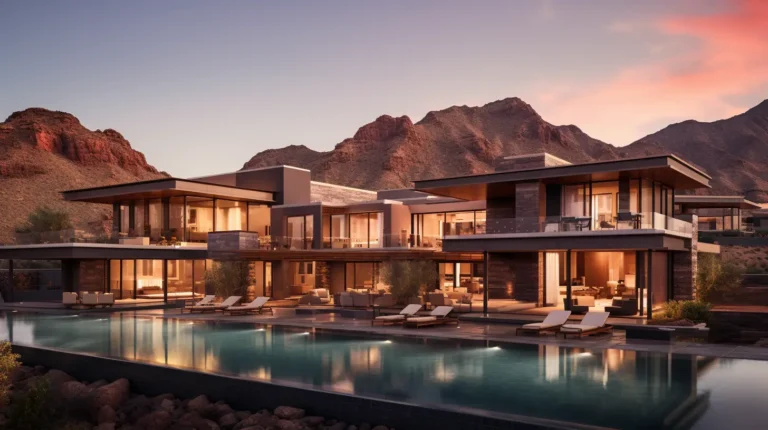
Building a high-end home in Arizona can look exciting from the outside, but most people do not see what really goes into it before construction even begins. The finished home is only one part of the story. Behind it is a long list of design decisions, budget conversations, planning steps, and execution details that all have to align for the project to go well.

If you are thinking about building a custom home, or even starting a major renovation with the end goal of creating a luxury-level result, it helps to understand what actually drives cost, timeline, and quality from the start.

Below are five of the biggest things that shape a high-end residential project in Arizona.

1. The planning phase affects everything that comes after

One of the biggest mistakes people make is assuming the project really starts once construction begins. In reality, the outcome is heavily shaped long before anyone starts building.

A successful high-end home starts with a clear planning phase that defines scope, design priorities, layout decisions, and investment expectations. This is where your team begins identifying opportunities, constraints, and the level of finish required to match your vision.

If this stage is rushed, it usually shows up later in the form of delays, change orders, and design compromises.

2. Design decisions drive both cost and timeline

High-end homes are not expensive just because they are larger. A major part of cost comes from the level of customization, the design intent, and the quality of the materials being selected.

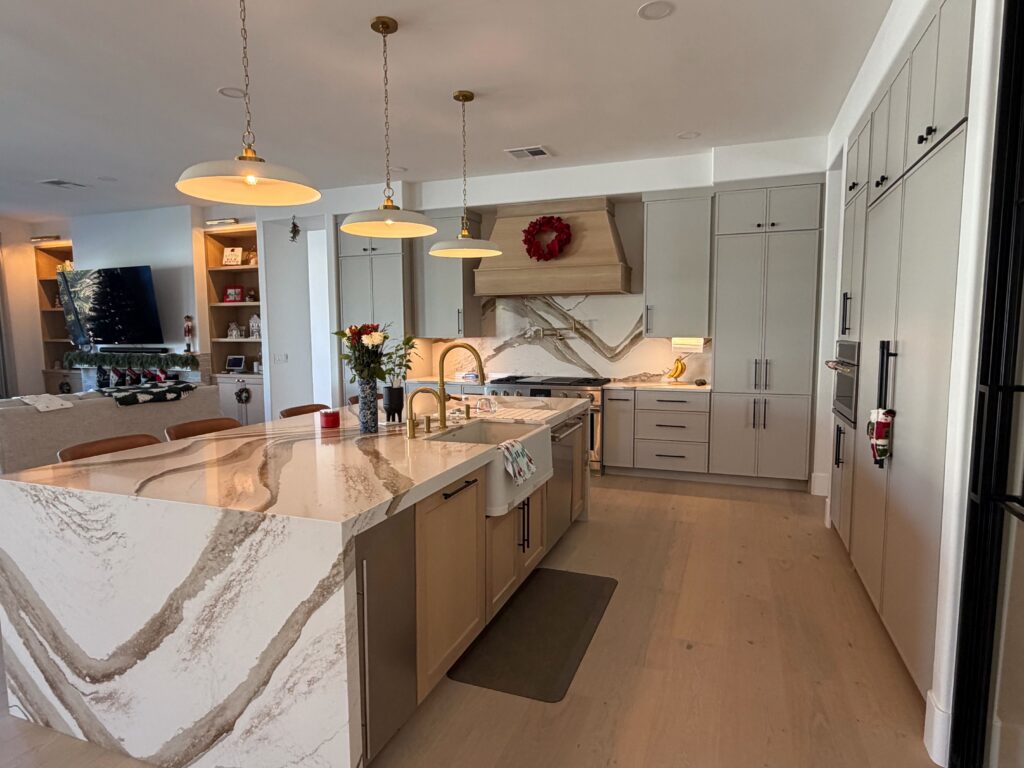
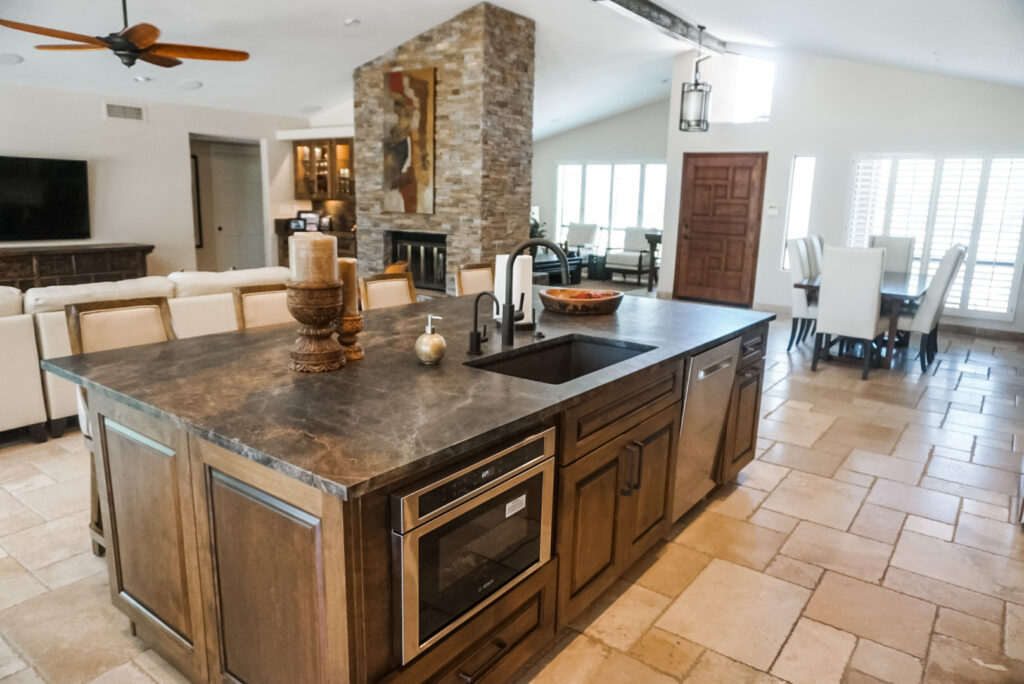
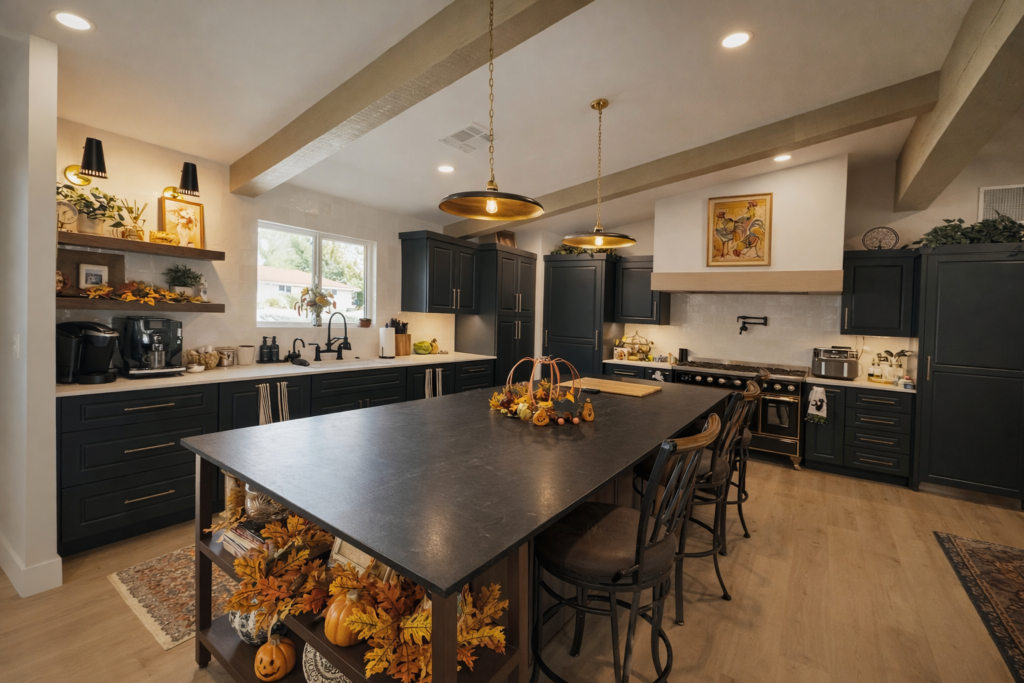
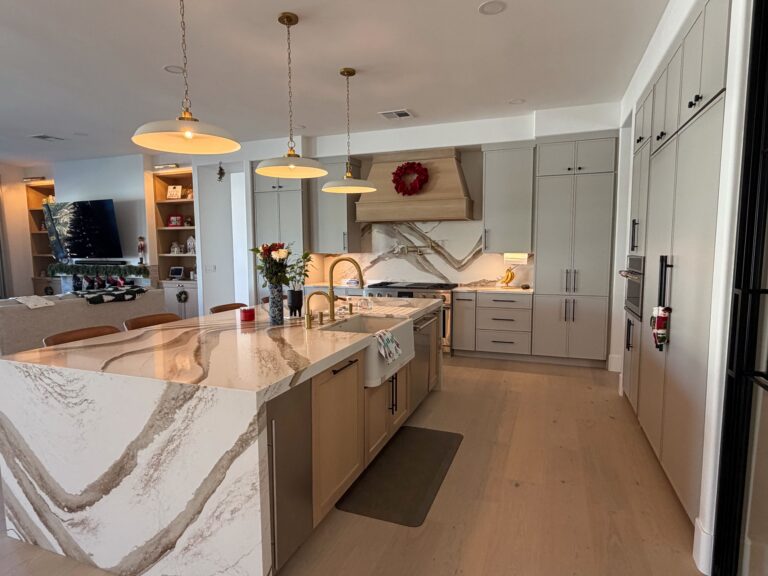
Cabinetry design, stone choices, millwork details, lighting layouts, windows, doors, and plumbing fixtures all affect the investment level of the project. The more intentional and customized the design is, the more coordination is required to execute it properly.

That is why design and construction need to work together early. When design is disconnected from the build team, decisions often get made without fully understanding their cost or construction impact.

3. The right process helps avoid expensive mistakes

A lot of the problems homeowners hear about with construction do not come from one big mistake. They come from smaller issues stacking up over time.

Unclear plans, incomplete selections, weak communication between teams, and unrealistic scheduling can all create friction during the build. That friction usually leads to added cost, timeline pressure, or quality issues.

A strong design-build process helps reduce those problems by making sure the builder, design team, and homeowner are aligned from the beginning. It creates clearer expectations, better planning, and a smoother construction experience.

4. Arizona homes require design decisions that fit the way people live here

Building in Arizona comes with its own set of considerations. Heat, light, orientation, indoor-outdoor living, and material performance all matter more than people often realize early on.

high-end home in Arizona should not just look beautiful. It should function well for the climate, the lot, and the way the homeowner wants to live day to day.

That often means thoughtful window placement, strong transitions between indoor and outdoor spaces, durable materials, and a layout that feels open without sacrificing comfort or privacy.

5. The team behind the project matters more than people think

Even the best design can fall apart without the right people executing it. A high-end residential project depends on collaboration between the homeowner, builder, designers, trade partners, and project managers.

The team needs to understand not just how to build, but how to communicate, plan ahead, and protect the details that make a home feel elevated in the finished result.

That is one of the biggest differences between an average project and one that feels cohesive, intentional, and truly high-end when it is done.

In summary, what it takes to build a high-end home in Arizona is not just a bigger budget or nicer finishes. It takes strong planning, thoughtful design, the right process, and a team that knows how to carry the vision all the way through construction.

If you are thinking about building, renovating, or planning a major residential project and want to better understand what the process could look like, the best place to start is with the right conversation and a clear plan.
Completion + Reveal

As construction concludes, we guide you through the final walkthrough of your newly completed space.

During this stage, every detail is reviewed to ensure the project reflects the vision established throughout the design process. Our team remains available to address any final adjustments and ensure the transition into your home is seamless.

This final phase includes:

• Final deep clean

• Final walkthrough and quality review

• Project completion and documentation

• Final project photography

In addition, every project is backed by a two-year warranty, supported by the same licensed, bonded, and insured trade partners involved in the original construction.

We schedule post-project check-ins and address any covered items promptly, ensuring your home continues to meet the standard it was built to.

Construction:

With the design finalized and materials selected, construction begins.

Our in-house build team manages every phase of the construction process, maintaining the highest standards of craftsmanship and coordination with trade partners.

Clients receive consistent updates throughout the build, ensuring transparency and confidence as the project progresses.

During construction we focus on:

  • Providing consistent project communication
  • Maintaining exceptional craftsmanship standards
  • Coordinating skilled trade partners
  • Providing weekly budget updates
  • Managing timelines and project milestones
  • Ensuring design details are executed precisely


Because design and construction are integrated from the beginning, we’re able to deliver a smoother and more predictable building experience.

Finish Selections:

With the design framework in place, we begin selecting the materials and finishes that will define the character of your home.

Working alongside our interior design team, clients are guided through curated selections that balance aesthetics, quality, and functionality.

Rather than overwhelming clients with endless choices, we focus on presenting thoughtful options that align with the design vision.

Selections may include:

  • Cabinetry and millwork finishes
  • Flooring materials and tile selections
  • Plumbing and lighting fixtures
  • Countertops and stone surfaces
  • Hardware and finishing details


This stage ensures that every element of the home feels cohesive and intentional before construction begins.

Design Development:

This is where ideas begin transforming into tangible design concepts.

Our architects and interior designers collaborate closely with you to develop layouts, elevations, and design direction that reflect your vision while maintaining structural and architectural integrity.

Throughout this stage, we explore spatial improvements, aesthetic direction, and key design features that will set your home apart.

During this phase we develop:

  • Architectural floor plans and layout adjustments
  • Design concepts and visual references
  • Cabinetry and millwork design direction
  • Preliminary material and finish ideas
  • Furniture and spatial planning concepts


This collaborative process allows every major design decision to be carefully considered before construction begins.

Project Vision + Proposal:

With a clear understanding of your goals, we begin defining the scope and investment framework for your project.

During this phase, our team evaluates the complexity of the work, potential design opportunities, and construction considerations to develop a realistic project direction.

Our goal is to ensure that design decisions and construction planning are aligned with your expectations from the start.

This phase includes:

  • Reviewing project scope and priorities
  • Establishing preliminary budget ranges
  • Identifying structural or architectural considerations
  • Discussing potential design approaches
  • Preparing a project proposal


Once the proposal is reviewed and approved, we move forward into the collaborative design phase.

Discovery Walkthrough:

During this first meeting, our team visits your home to walk through the spaces you’re considering transforming. This conversation allows us to understand how you live in the space today, what challenges exist, and how the home could evolve to better support your lifestyle.

Our goal during this stage is to build a strong foundation for the project by learning about your design preferences, priorities, and long-term vision.

During this conversation we’ll explore:

  • Your current challenges within the space
  • Design inspiration and aesthetic preferences
  • How your home functions for your daily life
  • Opportunities for improving layout and flow
  • Your general investment expectations for the project


This initial meeting allows us to begin shaping a project approach that aligns design vision, practicality, and budget from the very beginning.